How Do Digital Radiography systems Improve Workflow Efficiency?
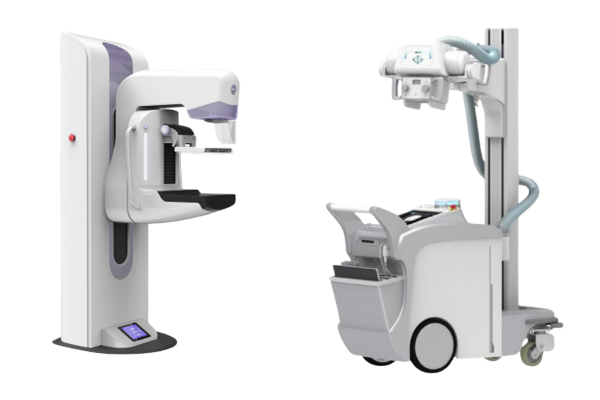
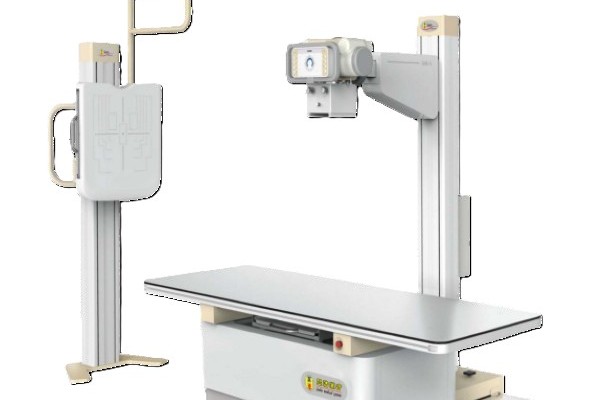
Digital Radiography systems improve hospital workflow efficiency by fully digitizing the X-ray imaging process, enabling integrated image acquisition, processing, and distribution within a continuous workflow.
Compared with traditional film-based systems and CR systems, DR reduces intermediate steps, shortens imaging turnaround time, and enhances data flow continuity and automation.
DR is not only an imaging device but also a core system that drives digital transformation in radiology workflow.
Structural Bottlenecks in Traditional Radiology Workflow
In traditional imaging systems (film-based and CR systems), workflows are divided into multiple independent steps with limited real-time data connectivity.
Key bottlenecks include:
- Delay between image acquisition and post-processing
- Additional steps such as film development or CR scanning
- Manual data entry and transmission
- Fragmented image storage and retrieval processes
- Workflow interruptions caused by repeat examinations
This “segmented workflow structure” limits efficiency by relying on human coordination rather than system continuity.
hree-Layer Framework of DR Systems Workflow Efficiency
The efficiency improvement of Digital Radiography systems can be understood through three layers:
- Data layer: imaging signals are converted into real-time digital data streams
- Workflow layer: multi-step manual processes become continuous automated workflows
- System layer: single-device performance becomes hospital-level system coordination
This structure shows that DR
DR Reconstructs Workflow into a Digital Chain
Digital Radiography systems integrate fragmented processes into a continuous digital workflow:
Patient registration → Exposure → Detector acquisition → Image processing → Quality control → PACS storage → Reporting and distribution
Key improvements include:
- Immediate digital image generation after exposure
- No film or intermediate CR processing required
- Automatic integration into hospital imaging systems
- Seamless data flow across all workflow stages
This end-to-end structure forms the foundation of modern radiology efficiency.
Turnaround Time (TAT) in Digital Radiography systems Workflow Efficiency
In traditional systems:
- Film development: 5–15 minutes
- CR scanning: 2–5 minutes
In Digital Radiography systems:
- Image generation: 3–10 seconds
This difference directly impacts Turnaround Time (TAT), one of the most critical performance indicators in radiology.
TAT affects:
- Patient throughput efficiency
- Emergency response speed
- Radiology department workload
- Equipment utilization rates
Therefore, TAT is a key metric for evaluating workflow performance in DR systems.
Real-Time Feedback Reduces Repeat Examinations
Digital Radiography systems provide immediate image preview after exposure, allowing technologists to verify image quality before the patient leaves.
This enables a closed-loop quality control process:
- Patient positioning accuracy
- Exposure parameter validation
- Motion artifact detection
Benefits include:
- Reduced repeat exposures
- Lower radiation dose
- Fewer workflow interruptions
- Improved equipment efficiency
PACS Integration in DR Systems Workflow Optimization
Through integration with PACS (Picture Archiving and Communication System), DR enables automated image storage and cross-department sharing.
Traditional vs DR workflow:
- Film transport → Instant digital access
- Single-location reading → Multi-terminal access
- Manual archiving → Automated indexing
When combined with HIS/RIS systems, DR becomes a central node in hospital data flow, improving cross-department coordination and efficiency.
Workflow Automation Improves Consistency and Stability
Modern DR systems reduce manual intervention through automation:
- Automatic patient data matching (HIS/RIS)
- Standardized examination protocol selection
- Automatic exposure parameter optimization
- Intelligent positioning assistance
- Image quality labeling and validation
Benefits include:
- Improved operational consistency
- Reduced human error
- Increased workflow stability
- Lower technician workload
Mobile DR Systems Expand Clinical Imaging Workflow Capability
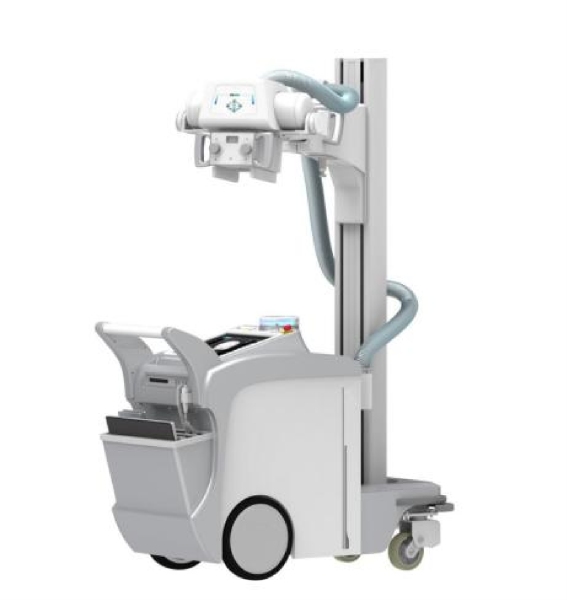
Mobile DR System extends imaging services from fixed radiology rooms to bedside and clinical environments.
Traditional workflow:
- Patients must be transported to radiology departments
Mobile workflow:
- Imaging device goes directly to the patient
Efficiency improvements include:
- Reduced patient transport time
- Faster emergency response
- Lower risk for critical patients
- Enhanced ICU and bedside imaging capability
CR vs DR: Final Summary of Workflow Efficiency Difference
From a workflow optimization perspective, the difference between CR and DR systems is not simply a matter of imaging performance, but a reflection of fundamentally different workflow architectures.
DR systems enable direct digital image acquisition and system-level data integration, allowing imaging data to move through a continuous end-to-end process from exposure to distribution. This eliminates intermediate handling steps and reduces workflow interruptions, resulting in higher continuity and improved throughput.
In contrast, CR systems still depend on an intermediate processing stage, which introduces additional workflow steps and unavoidable time gaps between image acquisition and availability. This segmented structure inherently limits workflow continuity and overall operational efficiency.
As modern healthcare environments increasingly demand real-time imaging availability, high patient throughput, and uninterrupted workflow execution, DR systems align more effectively with these requirements. CR systems, by comparison, represent an earlier stage of digital transition with structural workflow constraints.
In this context, the advantage of DR over CR is not merely faster imaging, but a fundamental upgrade in workflow architecture and system-level efficiency.
ROI and Hospital Operational Value Model
From a long-term perspective, Digital Radiography systems deliver multiple layers of value:
- Increased daily imaging capacity
- Reduced repeat examination costs
- Improved equipment utilization
- Lower operational and labor costs
Therefore, Digital Radiography systems are not only a technological upgrade but also a strategic investment in hospital efficiency and operational performance.
Conclusion
Digital Radiography systems transform traditional segmented imaging workflows into highly efficient, automated, and continuous digital workflows.
Their core value lies in fast imaging, real-time feedback, system integration, and workflow automation, which collectively improve hospital radiology performance.
From a system perspective, DR is not simply about improving imaging speed, but about reshaping the entire radiology workflow into a more continuous, scalable, and efficient digital ecosystem.
SEEHO Medical Equipment delivers DR system solutions designed to support this transformation, focusing on improved workflow efficiency, stable imaging performance, and seamless integration with modern hospital imaging environments. If you are planning to upgrade or optimize your radiology workflow, feel free to contact us for tailored solutions and technical support.