Digital Radiography vs Traditional X-Ray: Key Differences, Benefits and Applications
Digital Radiography vs Traditional X-Ray
Medical imaging plays an important role in healthcare services. For many years, traditional X-ray imaging has been a common diagnostic tool in healthcare facilities. With the development of digital technology, Digital Radiography has become an important part of modern medical imaging.
Although both technologies use X-rays to capture internal anatomical information, they differ significantly in image acquisition, processing, and management. Understanding these differences helps healthcare organizations select suitable imaging solutions based on their clinical and operational needs.
Key Differences
Digital Radiography and traditional X-ray systems are based on the same X-ray imaging principles. Both technologies use X-rays that pass through the body to create images for clinical evaluation and diagnosis.
The main difference lies in how image information is captured and processed
Traditional X-ray systems use film to record image information. After the examination, healthcare professionals must develop and process the film before viewing the results.
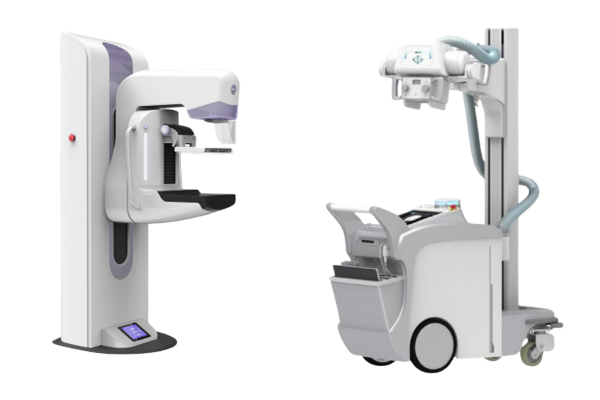
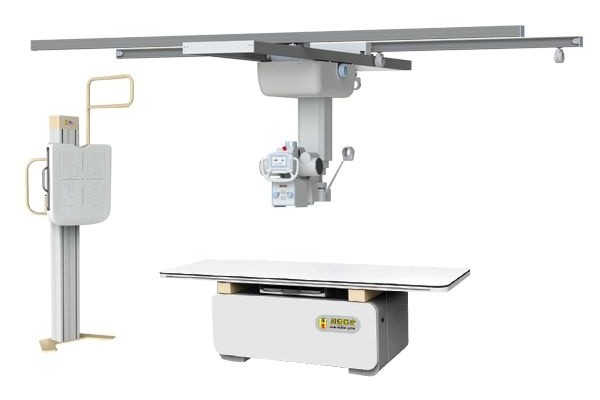
DR systems use digital detectors to capture image information and convert it into digital data. The system then generates digital medical images through computer processing.
| Feature | Digital Radiography (DR) | Traditional X-Ray |
|---|---|---|
| Image Capture | Digital detector | Film-based imaging |
| Image Processing | Computer-generated digital images | Chemical film development |
| Image Availability | Immediate image display | Available after film processing |
| Image Storage | Digital storage systems | Physical film storage |
| Image Sharing | Electronic transfer and sharing | Manual film distribution |
| Workflow Efficiency | Streamlined digital workflow | Multiple manual processing steps |
| Integration Capability | Compatible with hospital information systems | Limited digital integration |
| Typical Applications | Hospitals, clinics, imaging centers, veterinary imaging | Film-based healthcare environments |
Differences in Image Acquisition and Display
Traditional X-ray imaging relies on film as the image carrier. Healthcare professionals can review images only after the film development process is completed.
Digital Radiography uses a digital imaging workflow. The generated images can be displayed directly on a workstation for review and analysis.
Digital image display also provides greater flexibility in image management. Healthcare facilities can view, store, and share images more efficiently within digital environments.
Workflow and Operational Efficiency Comparison
Workflow efficiency represents one of the most important differences between the two technologies.
Traditional X-ray systems typically involve film handling, chemical processing, and physical storage. These steps require additional time and administrative effort.
DR systems complete image acquisition and management through digital processes. Healthcare facilities can obtain imaging results more quickly and simplify imaging workflows.
For hospitals, clinics, and diagnostic imaging centers seeking to improve operational efficiency, digital workflows offer significant advantages.
Key Benefits of Digital Radiography
Digital Radiography has become an important choice for healthcare facilities upgrading their imaging capabilities.
The technology supports digital image acquisition, digital storage, and digital image management. Healthcare professionals can access and manage imaging records more conveniently.
Modern DR systems can also integrate with hospital information systems and imaging management platforms. This integration helps improve workflow efficiency across healthcare organizations.
As healthcare digitalization continues to expand, more healthcare facilities are adopting DR solutions.
Comparison of Clinical Applications
Traditional X-ray technology is still used in some healthcare facilities, particularly in environments that continue to operate film-based workflows.
DR is widely used in hospitals, clinics, diagnostic imaging centers, and community healthcare facilities.
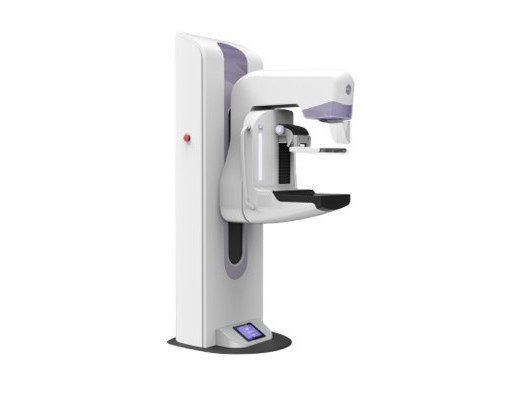
Digital Radiography technology supports a wide range of clinical applications, including general radiography, Mammography Digital Radiography Systems, and Veterinary DR Systems.
Healthcare organizations can select suitable imaging system configurations based on their service requirements and operational objectives.
Conclusion
Both Digital Radiography and traditional X-ray systems provide valuable support for clinical examinations and medical diagnosis. However, the two technologies differ significantly in image acquisition, display methods, and workflow management.
As healthcare continues to move toward digital transformation, DR has become an important direction for modern medical imaging. Digital workflows, digital image management, and flexible application capabilities make it an increasingly popular choice among healthcare providers.
Digital Radiography has become a widely adopted imaging technology due to its efficiency, image quality, and digital workflow advantages. Healthcare facilities seeking to improve imaging performance often consider Digital Radiography as part of their modernization strategy.
With extensive experience in healthcare technology, SEEHO Medical Equipment provides Digital Radiography systems and integrated medical solutions for healthcare institutions worldwide.