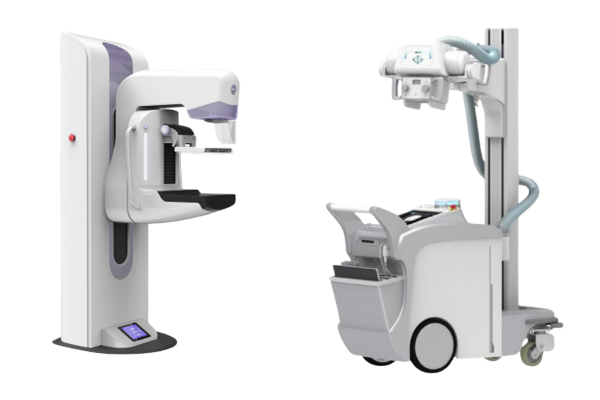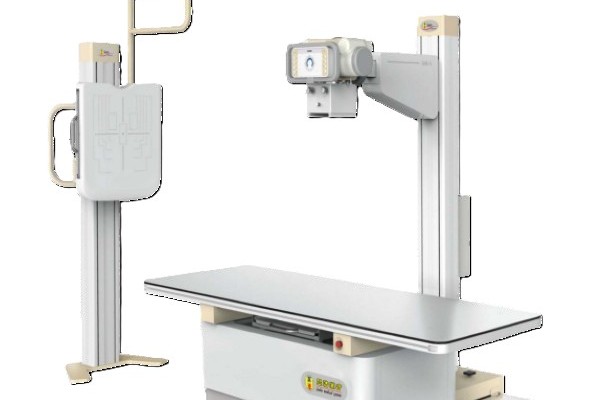
What Is Dynamic Digital Radiography Used For?
Dynamic digital radiography is used to visualize physiological motion and functional biomechanics in real time across thoracic, respiratory, and musculoskeletal examinations. Unlike conventional radiographic systems that capture isolated anatomical frames, this modality records sequential low-dose X-ray projections during active patient movement. Dynamic digital radiography integrates the high spatial resolution of planar radiography with continuous temporal tracking. Consequently, medical facilities employ this technology to uncover movement-dependent pathologies, observe respiration patterns, and evaluate biomechanical stability across diverse clinical workflows.
Dynamic DR Supports Chest and Respiratory Imaging
Thoracic evaluation represents one of the primary clinical applications of dynamic digital radiography. Conventional chest radiographs evaluate parenchymal density and lung fields solely at a fixed point of maximal inspiration. However, pulmonary disorders often manifest through impaired kinematics rather than resting anatomical changes.
Dynamic DR records real-time thoracic expansion, diaphragmatic excursion, and regional aeration throughout entire breathing cycles. Technologists capture continuous inhalation and exhalation phases without increasing procedural complexity. This movement data helps physicians evaluate conditions characterized by restricted chest wall mobility, diaphragm paralysis, and dynamic airway collapse. By visualizing real-time ventilation dynamics, the modality provides vital functional insights that complement static radiographic findings.
Assessing Musculoskeletal Kinematics and Joint Stability
Musculoskeletal evaluation is another expanding application for dynamic digital radiography. Standard planar films capture joints in static positions, often failing to demonstrate pain or instability that occurs exclusively under dynamic stress.
Clinicians utilize dynamic digital radiography to observe joints during active flexion, extension, rotation, and physiological weight-bearing maneuvers. Tracking continuous movement helps clinicians evaluate patellar tracking, cervical spine instability, shoulder impingement, and wrist kinematics. Observing structural interactions across continuous ranges of motion clarifies biomechanical discrepancies that remain concealed on non-weight-bearing static films. The clinical utility of these examinations depends on system positioning flexibility and specific facility imaging protocols.
| Clinical Focus Area | Primary Observational Target | Diagnostic Objective |
| Thoracic & Respiratory | Diaphragm excursion and chest wall expansion | Dynamic airflow assessment and ventilatory motion tracking |
| Musculoskeletal Joints | Articular congruency and joint space shifts | Biomechanical instability evaluation under physical stress |
| Functional Monitoring | Kinetic trajectories and structural displacement | Objective tracking of rehabilitation and surgical outcomes |
Enabling Functional and Quantitative Assessment
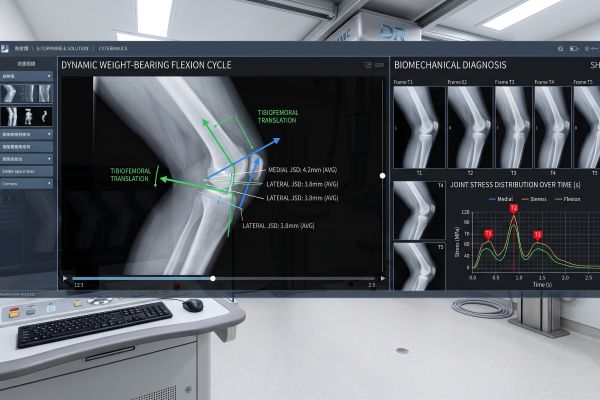
Beyond direct visual observation, dynamic digital radiography serves as an input pipeline for advanced functional analysis. Modern post-processing platforms utilize sequential dynamic frames to calculate objective kinematic metrics.
Clinicians leverage specialized software to extract quantitative motion parameters, such as regional velocity, tissue displacement curves, and calculated ranges of motion. Transforming raw multi-frame radiographic loops into reproducible data points supports longitudinal disease monitoring and post-operative orthopedic tracking. While analytical depth varies across software configurations, the imaging stream provides the empirical foundation for comprehensive functional and quantitative evaluations.
How Dynamic DR Complements Conventional X-ray Imaging
Dynamic DR functions alongside standard diagnostic imaging rather than replacing conventional planar radiography. Static projections remain the recognized baseline for detecting subtle bony fractures, microcalcifications, and initial pulmonary screenings.
Modern dynamic digital radiography systems support dual-mode operation, switching between conventional static projections and continuous dynamic cine acquisitions within the same workflow. Imaging departments can perform high-volume routine static screenings and subsequently trigger dynamic acquisitions when functional clarification is needed. This operational flexibility maximizes room utilization and equips clinicians with the precise modality required for specific diagnostic challenges.
Conclusion
Dynamic DR is used across modern healthcare facilities to evaluate chest mechanics, respiratory kinetics, joint motion, and functional physiological changes. By bridging the gap between structural planar films and active motion tracking, it provides comprehensive clinical insight. Integrating this modality enables institutions to enhance diagnostic precision while maintaining flexible, high-throughput radiographic workflows.
Ready to expand your clinical imaging capabilities? Contact our team today to explore modern dynamic digital radiography systems for your facility.