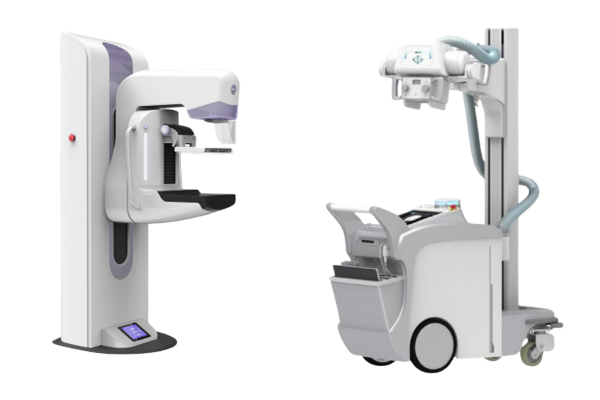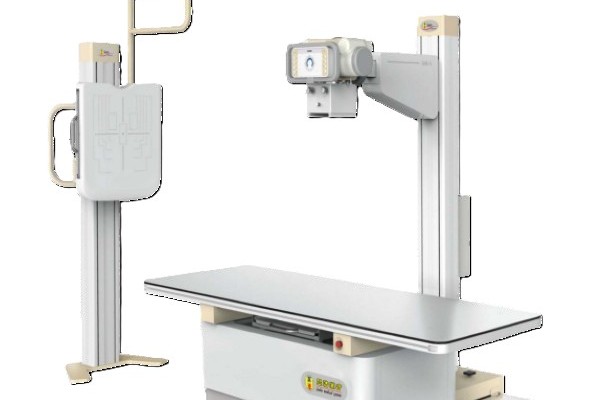
What Are the 6 Advances in Digital Radiography?
Digital Radiography has changed medical imaging over the past two decades. Healthcare facilities now rely on Digital Radiography to improve diagnostic accuracy, increase workflow efficiency, and enhance patient care. As imaging technology continues to evolve, manufacturers continue to introduce new features that improve image quality, reduce radiation exposure, and simplify clinical workflows.
These advances help hospitals, diagnostic centers, and specialty clinics meet growing imaging demands. Modern Digital Radiography systems also support digital healthcare environments by integrating with hospital information systems and intelligent imaging software.
This article explores six major advances in Digital Radiography: higher-resolution Flat Panel Detector technology, lower radiation dose, Artificial Intelligence integration, faster image acquisition and workflow, better connectivity and digital integration, and more specialized Digital Radiography systems.
Higher-Resolution Flat Panel Detector Technology
Flat Panel Detector (FPD) technology remains one of the most important advances in Digital Radiography. Modern detectors capture images with greater detail while maintaining excellent image consistency.
Earlier digital detectors produced lower image resolution than today’s systems. New detector materials and improved electronic designs now deliver clearer anatomical visualization. These improvements help radiologists identify subtle abnormalities more confidently.
Higher-resolution detectors also reduce the need for repeat examinations. Better first-time image quality saves time for both healthcare providers and patients.
Many modern detectors also offer faster image processing speeds. Medical staff can review images almost immediately after exposure. Faster image availability supports quicker clinical decisions, especially in emergency departments.
Healthcare facilities upgrading older Digital Radiography equipment often consider detector performance one of the highest priorities because it directly affects diagnostic quality.
Lower Radiation Dose with Smarter Imaging
Radiation safety remains a key objective in medical imaging. Manufacturers continue to develop Digital Radiography systems that produce excellent images with lower radiation exposure.
Modern systems combine highly sensitive Flat Panel Detectors, Automatic Exposure Control (AEC), and advanced image processing algorithms. These technologies optimize image quality while minimizing unnecessary radiation.
Lower radiation doses benefit every patient. They become even more important for children, elderly patients, and individuals who require repeated imaging examinations.
Dose optimization also supports international radiation safety principles without compromising diagnostic confidence. Healthcare providers can deliver high-quality imaging while improving patient protection.
As technology continues to improve, Digital Radiography helps healthcare facilities balance image quality and radiation safety more effectively than previous imaging technologies.
Artificial Intelligence Integration
Artificial Intelligence (AI) has become an important part of modern Digital Radiography systems. AI applications continue to expand across many clinical imaging workflows.
AI algorithms can automatically identify potential abnormalities, improve image processing, and prioritize urgent examinations. These functions help radiologists manage increasing imaging volumes more efficiently.
AI also assists technologists during image acquisition. Some systems automatically evaluate image positioning and exposure quality before the examination is completed. Early feedback reduces positioning errors and decreases repeat examinations.
Although AI cannot replace experienced radiologists, it serves as a valuable clinical support tool. Healthcare professionals still make the final diagnostic decisions based on clinical judgment and patient history.
As AI technologies continue to mature, Digital Radiography systems will likely provide even greater workflow automation and decision support.
Faster Image Acquisition and Workflow
Speed has become another major advantage of modern Digital Radiography systems. Today’s equipment captures and displays diagnostic images within seconds.
Rapid image acquisition shortens examination times and improves patient throughput. Healthcare providers can perform more examinations during busy clinical schedules without sacrificing image quality.
Fast imaging also benefits emergency departments, trauma centers, and intensive care units. Physicians often require immediate imaging results when treating critically ill patients. Quick image availability supports faster diagnosis and earlier treatment decisions.
Modern Digital Radiography systems also streamline workflow through automated positioning guidance, simplified user interfaces, and intelligent examination protocols. These features reduce manual operations and improve examination consistency.
Improved workflow efficiency helps healthcare facilities optimize staff productivity while enhancing the overall patient experience.
Better Connectivity and Digital Integration
Modern healthcare depends on efficient information sharing. Digital Radiography systems now integrate seamlessly with hospital information technology platforms.
Most advanced systems communicate directly with Picture Archiving and Communication Systems (PACS), Radiology Information Systems (RIS), and Hospital Information Systems (HIS). These connections simplify image storage, retrieval, and clinical collaboration.
Integrated workflows reduce manual data entry and minimize administrative errors. Medical staff spend less time managing patient information and more time focusing on patient care.
Cloud-based technologies also continue to improve image accessibility. Authorized healthcare professionals can securely review imaging studies across different departments or healthcare facilities when appropriate.
Strong digital integration improves operational efficiency while supporting faster and more informed clinical decision-making.
More Specialized Digital Radiography Systems
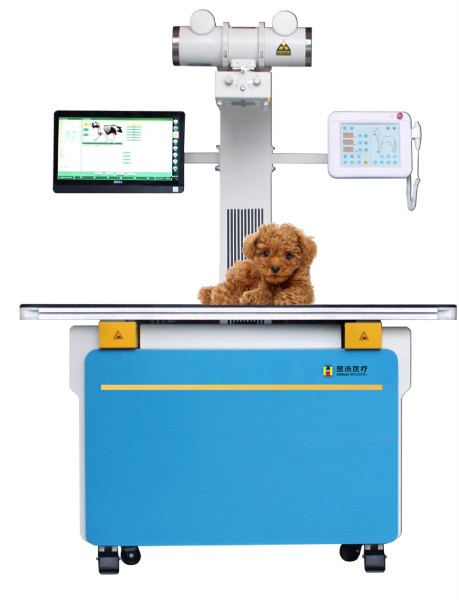
Digital Radiography technology now supports a wide variety of healthcare environments. Manufacturers have developed specialized systems that address different clinical requirements.
Healthcare providers can select equipment based on patient volume, available space, and imaging applications.
| Digital Radiography System | Typical Application |
|---|---|
| Fixed Digital Radiography | General radiology departments |
| Ceiling-Mounted Digital Radiography | High-volume hospitals |
| Mobile Digital Radiography | Bedside and emergency imaging |
| Fully Electric Digital Radiography | Efficient clinical workflow |
| Dynamic Digital Radiography | Functional musculoskeletal and chest imaging |
| Mammography Digital Radiography | Breast imaging |
| Veterinary Digital Radiography | Animal hospitals and veterinary clinics |
| Vehicle-Mounted Digital Radiography | Mobile healthcare services |
This broad product portfolio allows healthcare facilities to choose imaging solutions that align with their operational goals and clinical specialties.
Benefits of Modern Digital Radiography Advances
The latest advances in Digital Radiography improve much more than image quality. They also strengthen the overall efficiency of medical imaging departments.
Modern systems help healthcare facilities:
- Produce higher-quality diagnostic images
- Reduce unnecessary radiation exposure
- Improve workflow efficiency
- Increase patient throughput
- Enhance diagnostic confidence
- Support digital healthcare transformation
- Reduce repeat examinations
- Improve collaboration between clinical departments
These benefits help healthcare organizations deliver faster, safer, and more efficient imaging services while preparing for future healthcare demands.
Conclusion
Digital Radiography continues to evolve through advances in detector technology, artificial intelligence, workflow automation, and system integration. These innovations help healthcare providers improve diagnostic performance while delivering a better experience for both patients and medical professionals.
As healthcare facilities plan future imaging upgrades, selecting a Digital Radiography system with advanced technology can support long-term clinical efficiency and sustainable growth. SEEHO Medical Equipment offers a comprehensive portfolio of Digital Radiography solutions designed for hospitals, diagnostic centers, specialty clinics, and other healthcare facilities. Explore our product range to discover imaging systems that match your clinical needs and support the future of medical imaging.