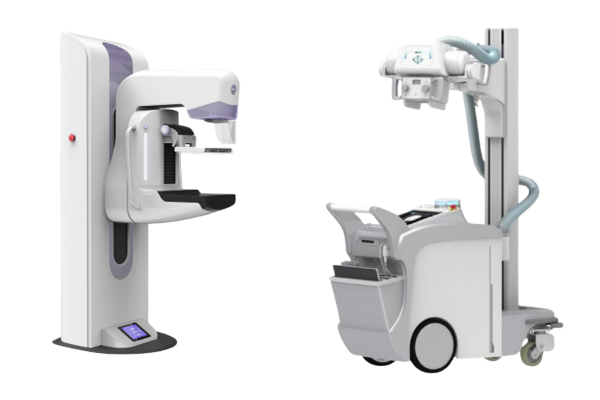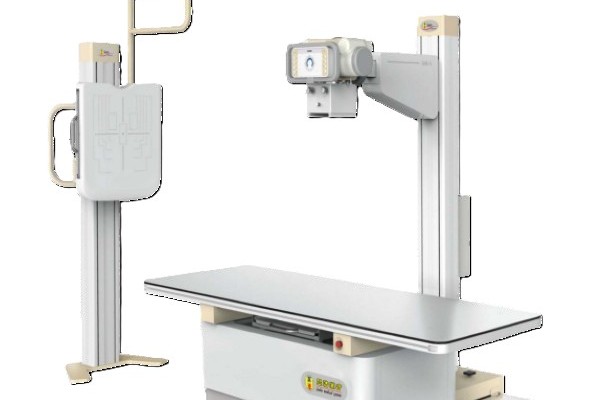
What Is the Difference Between CR and DR Systems?
Medical imaging has advanced significantly over the past two decades, replacing traditional film-based radiography with faster and more efficient digital technologies. During this transition, CR systems and DR systems emerged as two major digital X-ray solutions for healthcare facilities. While both technologies produce digital images, they use different methods of image acquisition and offer distinct advantages in workflow, image quality, and operational efficiency.
Although both CR systems and DR systems produce digital X-ray images, they differ in image acquisition, workflow efficiency, image quality, operating costs, and clinical applications. Understanding the difference between CR and DR systems helps hospitals, clinics, diagnostic centers, and veterinary practices choose the most suitable imaging solution for their clinical and operational needs.
CR Systems Use Imaging Plates to Produce Digital Images
Computed Radiography (CR) uses reusable photostimulable phosphor imaging plates instead of traditional X-ray film.
After an X-ray exposure, the imaging plate is removed from the cassette and inserted into a CR reader, where a laser scans the plate to convert the stored image into a digital file. Because CR systems can often work with existing X-ray equipment, they became a practical solution for healthcare facilities transitioning from film-based imaging to digital radiography.
Advantages of CR Systems
- Lower initial investment
- Compatible with many existing X-ray systems
- Easier upgrade from film-based radiography
- Reusable imaging plates
Limitations of CR Systems
- Manual cassette handling
- Additional image processing step
- Slower workflow
- Lower image quality than DR in many clinical situations
- Imaging plates require regular maintenance and replacement
DR Systems Capture Images Directly with Flat Panel Detectors
Digital Radiography (DR) uses a Flat Panel Detector (FPD) to capture X-ray images directly without imaging plates or cassette processing.
Images are available within seconds after exposure, allowing radiographers to review image quality immediately and reduce unnecessary repeat examinations. Modern DR systems also integrate seamlessly with PACS, RIS, and HIS, making them the preferred choice for digital healthcare environments.
Advantages of DR Systems
- Immediate image acquisition
- Excellent image quality
- Faster clinical workflow
- Lower long-term operating costs
- Better integration with hospital information systems
- Improved patient experience through shorter examination times
CR and DR Systems Differ in Several Key Areas
| Feature | CR System | DR System |
|---|---|---|
| Image Capture | Imaging plate | Flat panel detector |
| Image Processing | CR reader required | Direct digital capture |
| Workflow | Slower | Immediate |
| Image Availability | Minutes | Seconds |
| Image Quality | Good | Excellent |
| Detector Handling | Manual cassette | Fixed or wireless detector |
| Radiation Dose | Moderate | Often lower |
| Initial Investment | Lower | Higher |
| Long-Term Cost | Higher | Lower |
DR Systems Deliver Higher Image Quality
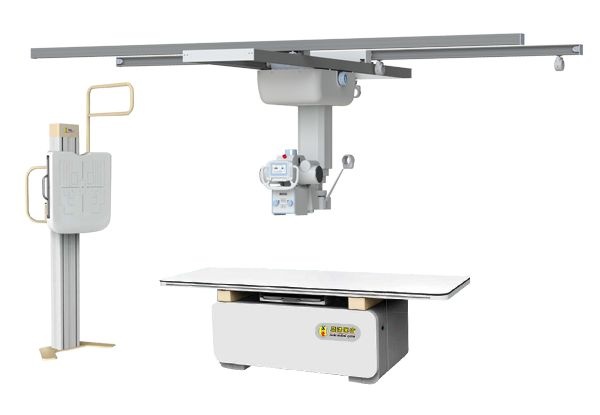
Both CR and DR systems produce diagnostic-quality images, but DR generally delivers superior image quality.
Flat panel detectors have higher detective efficiency, allowing healthcare providers to obtain clearer images while often using lower radiation doses. Instant image preview also enables radiographers to identify positioning errors immediately, reducing repeat examinations and improving workflow efficiency.
These advantages make DR particularly valuable in hospitals and busy imaging departments where speed and diagnostic confidence are essential.
Long-Term Operating Costs Favor DR Systems
CR systems typically require a lower initial investment, making them attractive for facilities with limited budgets.
However, long-term operating expenses should also be considered. CR systems require ongoing maintenance of imaging plates, regular servicing of CR readers, and additional staff time for cassette handling and image processing.
Although DR systems involve higher upfront costs, their increased efficiency, reduced maintenance, and improved patient throughput often result in a lower total cost of ownership over the lifetime of the equipment.
DR Systems Are Becoming the Preferred Choice for Modern Healthcare
Healthcare providers are increasingly choosing DR systems because they support faster examinations, improved workflow, and better integration with digital healthcare infrastructure.
Key benefits include:
- Higher patient throughput
- Faster diagnosis
- Lower radiation exposure
- Improved image consistency
- Better integration with PACS and electronic medical record systems
- Simplified image storage and sharing
As healthcare facilities continue to modernize, DR technology has become the standard solution for many medical imaging departments worldwide.
Choosing the Right System Depends on Clinical and Operational Needs
Selecting between CR and DR depends on several factors, including budget, patient volume, existing equipment, workflow requirements, and long-term development plans.
Healthcare facilities with relatively low imaging volumes may find CR systems sufficient for their daily needs. However, hospitals and high-volume diagnostic centers often benefit more from the speed, efficiency, and advanced imaging performance offered by DR systems.
Evaluating both immediate operational requirements and future growth plans helps organizations make a more informed investment decision.
Conclusion
Both CR and DR systems represent important milestones in the evolution of digital medical imaging. CR remains a practical solution for healthcare facilities seeking a cost-effective transition from film-based radiography, while DR provides faster workflows, superior image quality, and greater efficiency for modern clinical environments.
As healthcare continues to embrace digital transformation, choosing the right digital X-ray system is essential for improving diagnostic efficiency and long-term operational performance. If you are evaluating CR or DR systems for your hospital, clinic, imaging center, or healthcare facility, contact SEEHO Medical Equipment to discuss your imaging requirements. Our team can help you identify the most suitable Digital Radiography solution based on your clinical needs, workflow, and budget.