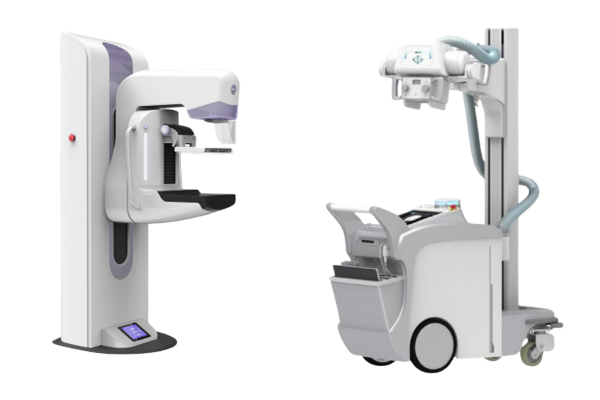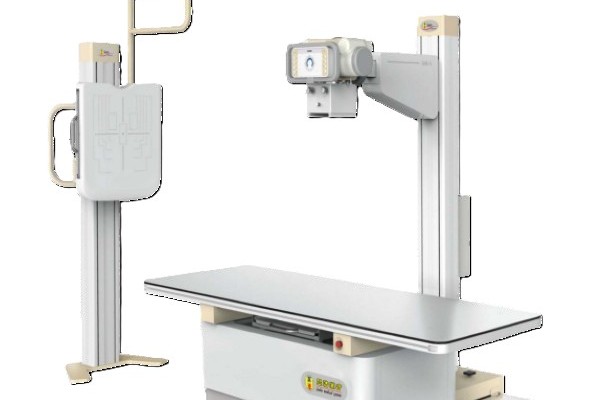
What Are the Core Technologies Behind DR Systems?
Modern DR Systems (Digital Radiography Systems) have transformed medical imaging by delivering high-quality digital X-ray images with greater speed, efficiency, and diagnostic accuracy. Compared with conventional film-based imaging, DR Systems streamline clinical workflows, reduce examination times, and support seamless integration with hospital information systems.
Behind these advantages are several core technologies that work together to ensure reliable image acquisition, processing, and management. Among them, Flat Panel Detector (FPD) technology serves as the foundation of modern DR Systems, while high-frequency generators, advanced image processing, automatic exposure control, and digital connectivity further enhance overall system performance.
Understanding these technologies helps hospitals, imaging centers, distributors, and healthcare investors make more informed decisions when selecting a DR System.
Flat Panel Detector (FPD) Technology in DR Systems
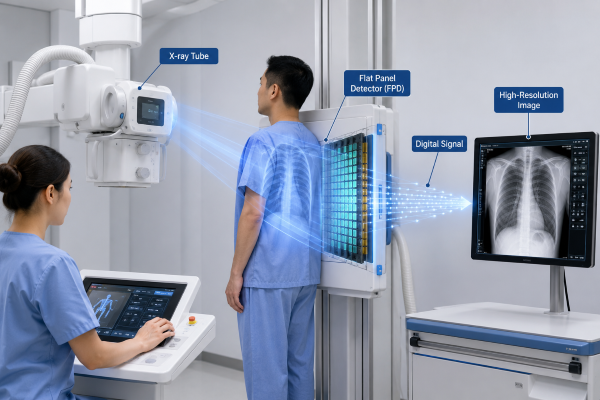
Flat Panel Detector (FPD) technology is widely regarded as the core of modern DR Systems. The detector captures X-ray energy and converts it into digital signals, making it the most important factor influencing image quality, diagnostic accuracy, and examination efficiency.
Compared with traditional imaging technologies, FPDs offer several advantages:
- Higher image resolution
- Faster image acquisition
- Lower radiation dose
- Wider dynamic range
- Improved image consistency
Most modern DR Systems use either indirect conversion detectors based on amorphous silicon (a-Si) or direct conversion detectors based on amorphous selenium (a-Se). Each technology offers specific advantages depending on the intended clinical application.
In addition to detector material, factors such as pixel size, Detective Quantum Efficiency (DQE), and detector durability also affect overall imaging performance. Selecting a high-quality FPD helps healthcare providers achieve more reliable diagnostic results while improving workflow efficiency.
High-Frequency Generator Technology for DR Systems
The high-frequency generator is another essential technology in DR Systems. It supplies stable, precisely controlled electrical power to the X-ray tube, ensuring consistent X-ray production during every examination.
Compared with conventional generators, high-frequency generators provide several important benefits:
- More stable X-ray output
- Improved image consistency
- Better radiation dose control
- Shorter exposure times
- Enhanced system reliability
Stable generator performance not only contributes to image quality but also helps reduce unnecessary radiation exposure for both patients and healthcare professionals. As a result, high-frequency generator technology has become a standard feature in modern Digital Radiography Systems.
Advanced Image Processing Technology
Image processing technology plays a critical role after image acquisition. Once the Flat Panel Detector captures the X-ray image, advanced software algorithms automatically optimize the image before it is displayed to clinicians.
Modern DR Systems use intelligent image processing to improve diagnostic confidence through features such as:
- Noise reduction
- Edge enhancement
- Automatic contrast optimization
- Wide dynamic range processing
- Multi-frequency image enhancement
These technologies enable clinicians to visualize anatomical structures more clearly while maintaining diagnostic accuracy under different examination conditions.
In recent years, artificial intelligence (AI) has also begun supporting image processing in some DR Systems. AI-assisted algorithms can help optimize image quality, improve workflow efficiency, and reduce the need for repeat examinations, further enhancing the value of digital radiography in modern healthcare.
Automatic Exposure Control (AEC) Technology
Automatic Exposure Control (AEC) is another key technology that enhances the performance of modern DR Systems. It automatically adjusts the X-ray exposure according to the patient’s anatomy and examination area, helping achieve consistent image quality while minimizing unnecessary radiation.
The main advantages of AEC technology include:
- Consistent image quality across different patients
- Reduced radiation exposure
- Fewer repeat examinations
- Improved workflow efficiency
- Greater examination consistency
By balancing radiation dose and image quality, AEC helps healthcare providers obtain reliable diagnostic images while supporting patient safety.
Digital Workflow and Connectivity in DR Systems
Modern DR Systems are designed to operate as part of a fully digital healthcare environment. Seamless connectivity allows imaging data to be transferred, stored, and accessed efficiently throughout the clinical workflow.
Most Digital Radiography Systems support industry-standard communication protocols and can integrate with hospital information platforms such as PACS, RIS, and HIS.
The benefits of digital workflow integration include:
- Faster image transmission
- Centralized image storage
- Improved data accessibility
- Reduced manual data entry
- Enhanced clinical collaboration
Strong connectivity not only improves operational efficiency but also enables healthcare facilities to build a more streamlined and paperless imaging workflow.
Intelligent Software and Automation
Software has become an increasingly important component of modern DR Systems. In addition to controlling hardware, intelligent software simplifies daily operation and helps improve examination efficiency.
Many Digital Radiography Systems now provide features such as:
- Automated examination protocols
- User-friendly operating interfaces
- Intelligent positioning assistance
- Image management tools
- Remote system diagnostics
Some advanced systems also incorporate artificial intelligence to assist with workflow optimization and image enhancement. Although AI does not replace clinical decision-making, it can help improve operational efficiency and support more consistent imaging performance.
As software technology continues to evolve, intelligent automation is expected to play an even greater role in the future development of DR Systems.
Conclusion
The performance of modern DR Systems depends on the seamless integration of multiple core technologies. Flat Panel Detector technology serves as the foundation for high-quality digital imaging, while high-frequency generators, advanced image processing, Automatic Exposure Control, digital connectivity, and intelligent software all contribute to reliable performance and efficient clinical workflows.
Understanding these technologies enables healthcare providers to evaluate DR Systems more effectively and select solutions that meet their clinical and operational requirements.
If you are exploring advanced DR Systems for your healthcare facility or would like to learn more about the technologies behind modern digital radiography, welcome to contact us. Our team can provide professional product recommendations and technical support tailored to your clinical applications, helping you choose a solution that delivers reliable imaging performance and long-term value.