Is Digital Mammography Better for Dense Breasts?
Why Dense Breasts Matter in Mammography
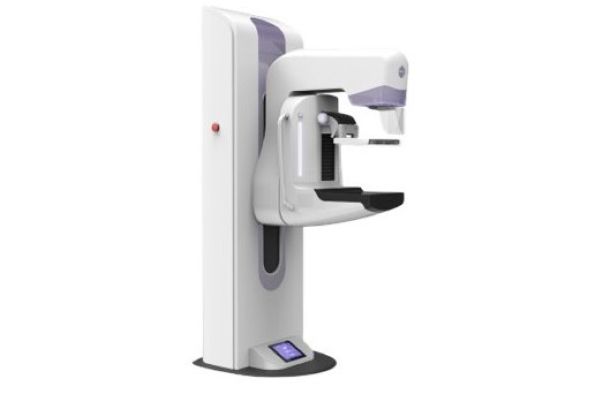
Many women wonder whether Digital Mammography is a better choice when they have dense breasts. This question is common because breast density can affect how clearly certain areas appear on mammogram images.
Breast density refers to the amount of fibrous and glandular tissue compared with fatty tissue in the breast. Women with dense breasts have more of this non-fatty tissue, which can make some breast abnormalities harder to identify during screening.
Digital Mammography has improved breast imaging by replacing traditional film with digital detectors and advanced image processing. However, dense breast tissue remains a challenge for any mammography technology. Digital Mammography can provide clearer and more flexible images, but it does not completely remove the effect of breast density.
For women with dense breasts, the most suitable screening approach depends on several factors, including breast density level, age, personal risk, and medical history.
How Breast Density Affects Mammogram Results
Breast density mainly affects screening because of the way different tissues appear on X-ray images.
Fatty breast tissue usually appears dark on a mammogram, while dense tissue appears white. Many breast cancers also appear as white areas. When dense tissue and suspicious findings have a similar appearance, some abnormalities may be more difficult for radiologists to distinguish.
This is why women with dense breasts may have a higher chance of needing additional imaging after a mammogram. An additional examination does not always indicate a problem. It simply helps doctors collect more information about areas that are difficult to evaluate.
Breast density is usually classified into four categories:
- Almost entirely fatty
- Scattered areas of fibroglandular density
- Heterogeneously dense
- Extremely dense
Women in the two higher density categories may have more difficulty with mammogram interpretation because dense tissue can hide small findings.
How Digital Mammography Helps Women With Dense Breasts
Although dense breasts remain a challenge, Digital Mammography provides several improvements compared with traditional film mammography.
One important advantage is digital image processing. After images are captured, radiologists can adjust brightness, contrast, and image display settings to examine breast structures more carefully. They can also enlarge specific areas when reviewing possible abnormalities.
Digital technology also improves image management. Unlike film images, digital images can be stored electronically, compared with previous examinations, and accessed by healthcare providers when needed.
For women with dense breast tissue, these features can support a more detailed review process. Digital Mammography gives radiologists more flexibility when analyzing complex breast images.
However, it is important to understand that improved image processing does not mean all cancers can be detected. Dense tissue may still reduce the visibility of some abnormalities, regardless of whether the images are digital or film-based.
When Additional Imaging May Be Needed
A common question among women with dense breasts is whether Digital Mammography alone is enough.
The answer depends on individual risk factors. Digital Mammography remains an important part of breast density screening and breast cancer screening programs. Many women with dense breasts continue to receive regular mammograms as recommended by their healthcare providers.
In some situations, doctors may suggest additional imaging methods. These may include breast ultrasound or magnetic resonance imaging (MRI).
Breast ultrasound can provide additional information about areas that appear unclear on a mammogram. MRI may be recommended for women with higher breast cancer risk or specific medical situations.
The need for additional imaging is not determined by breast density alone. Doctors usually consider multiple factors, including family history, previous breast findings, age, and overall risk level.
Digital Breast Tomosynthesis for Dense Breast Tissue
Another technology related to Digital Mammography is digital breast tomosynthesis, also known as 3D mammography.
Traditional mammograms create two-dimensional images of breast tissue. In contrast, digital breast tomosynthesis captures multiple images from different angles and creates a series of thin image sections.
This approach helps reduce the effect of overlapping breast tissue. For women with dense breasts, reducing tissue overlap may make certain structures easier to evaluate.
Digital breast tomosynthesis is not a replacement for every screening method, but it is an option that may provide additional information in some cases. The most appropriate choice depends on patient characteristics and healthcare provider recommendations.
Factors That Influence Screening Decisions
There is no single breast screening method that works best for every woman with dense breasts.
Healthcare providers consider several factors when recommending a screening approach, including:
- breast density level
- age
- personal breast cancer risk
- family history
- previous imaging results
- clinical recommendations
A woman with dense breasts does not automatically need additional imaging. Similarly, a woman with lower breast density may still require careful screening based on other risk factors.
The goal of breast imaging is to choose an approach that provides useful information while matching each patient’s individual situation.
Conclusion: Digital Mammography Remains Important for Dense Breasts
Digital Mammography has become an important tool for modern breast cancer screening. Its digital image processing capabilities and improved workflow provide advantages over traditional film mammography.
For women with dense breasts, Digital Mammography remains valuable, but breast density can still make some abnormalities more difficult to detect. In certain situations, additional imaging methods such as ultrasound, MRI, or digital breast tomosynthesis may provide further information.
The best screening strategy depends on each woman’s breast density, personal risk factors, and healthcare recommendations. Understanding the relationship between Digital Mammography and dense breasts can help patients have more informed discussions about their breast health.