How to Choose a Dynamic Digital Radiography System for a Small Hospital?
Small hospitals can choose a dynamic digital radiography system by matching core machine capabilities to expected daily exam volume, physical room clearance, local utility connections, and available maintenance support. Smaller clinical facilities rarely need complex high-throughput setups designed for large trauma hubs. Instead, community clinics benefit most from versatile systems that combine routine static X-rays with real-time motion studies in a single examination room. Assessing structural space and operational workflows before purchasing prevents unnecessary capital expenditure while expanding local diagnostic services.
Small Hospital Procurement Checklist
Before comparing specific vendor quotes, evaluate candidates against this practical room matrix:
| Operational Metric | Community Hospital Target | Direct Clinical Impact |
| Gantry Footprint | Floor-mounted or compact stands | Avoids room expansion and costly structural ceiling rails |
| System Versatility | Multi-purpose static and dynamic modes | Maximize room utility across chest, trauma, and joint studies |
| Power Requirements | Compatible with standard electrical lines | Eliminates expensive electrical transformer upgrades |
| Service Proximity | Local technical support within short radius | Prevents extended downtime from halting daily department care |
How Should a Small Hospital Define Its Dynamic Digital Radiography Requirements
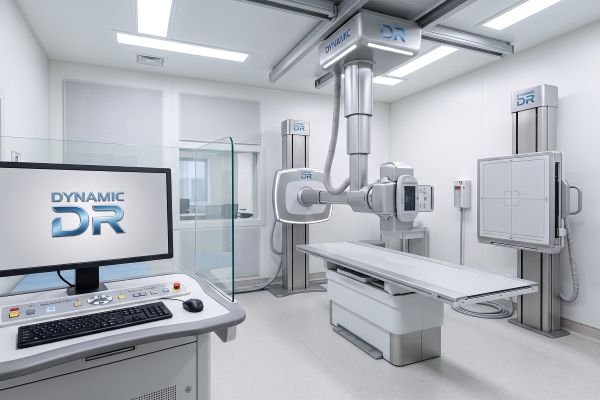
Defining system needs begins with reviewing daily patient throughput and target clinical specialties.
Community health centers typically handle general walk-in cases, routine chest screens, and minor orthopedic trauma. A dynamic digital radiography system should act as an all-around workhorse rather than a single-use specialty machine. Department heads should survey staff radiologists and technologists to separate essential features from expensive optional add-ons. Prioritizing reliable flat-panel detectors with strong low-dose performance ensures high diagnostic clarity without inflating overall procurement costs.
How Do Space and Installation Conditions Affect System Selection
Physical room bounds heavily dictate which hardware configurations fit into smaller facilities.
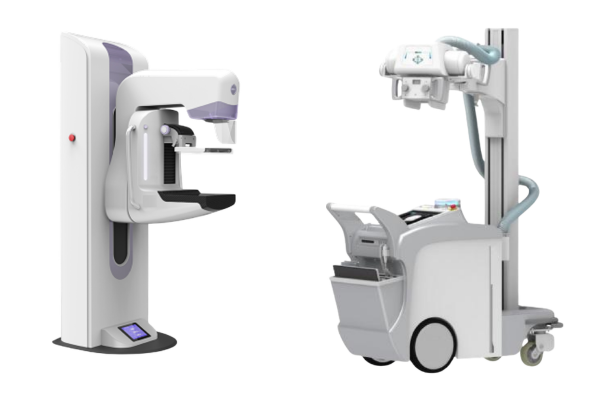
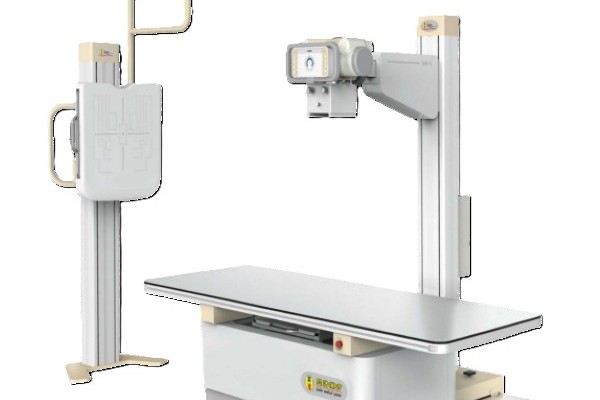
Many community clinics operate in older buildings with limited room footprints. Installing heavy ceiling-suspended gantries often requires structural steel reinforcement that drives up pre-installation expenses. Conversely, compact floor-mounted stands fit standard rooms with minimal structural retrofitting. Technologists must also confirm that room layouts leave adequate clearance for stretchers, wheelchairs, and positioning aids. Checking ceiling heights and electrical panel capacity early prevents unexpected construction delays during delivery.
How Do Software and Information System Needs Impact Daily Operations
Streamlined network integration allows small radiology departments to manage daily exam flows efficiently without administrative friction.
System consoles must support DICOM Modality Worklist tools so technologists can pull patient records directly from the RIS without manual typing. Furthermore, smooth PACS integration guarantees that multi-frame motion datasets transmit across local networks without causing archive lag. Selecting software that works seamlessly with existing IT systems prevents expensive custom interface work later on.
How Should a Small Hospital Maintain Dynamic DR Hardware
Long-term machine performance depends on securing dependable post-sale maintenance arrangements that match facility resources.
A sudden equipment failure in a small hospital directly impacts clinic revenue and community trust. Facilities should choose manufacturers with regional service teams, stocked local spare parts, and comprehensive technician training packages. Establishing clear warranty terms and preventive service plans keeps the dynamic DR machine operational for years.
Conclusion
Selecting the right dynamic digital radiography system for a small hospital requires balancing physical room space, daily exam mix, IT connectivity, and long-term service support. Focusing on versatile, easy-to-maintain equipment ensures strong diagnostic utility without overextending capital budgets.
Are you evaluating an imaging room upgrade for your facility? Contact the SEEHO hospital advisory team today to submit your room dimensions and receive a tailored site preparation guide for your dynamic digital radiography installation.