How Much Does a Dynamic Digital Radiography System Cost?
The cost of a dynamic digital radiography system depends on hardware configurations, detector specifications, software licensing models, room preparation needs, and post-warranty service agreements. Because medical equipment vendors package configurations tailored to specific clinical requirements, published prices vary based on chosen options rather than a single fixed rate. Evaluating total system expenditure requires analyzing initial capital layout alongside long-term operating costs, ensuring healthcare procurement committees understand full lifecycle investment requirements.
What Is Included in the Price of a Dynamic Digital Radiography System
The core price of a dynamic DR setup covers primary hardware components, control electronics, and essential operating software needed to execute dynamic exams.
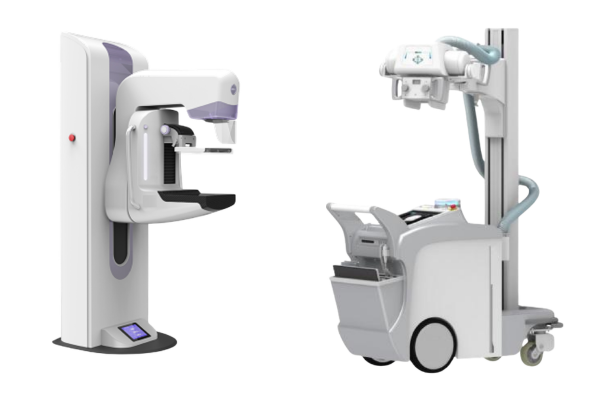
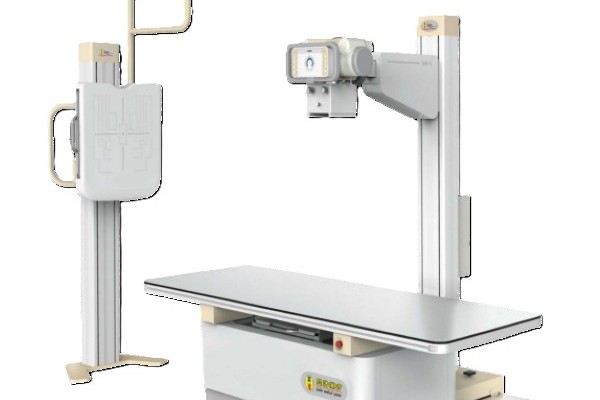
- Primary X-Ray Hardware: High-voltage generators, X-ray tubes, positioning gantries, and patient tables form the physical system foundation.
- Flat-Panel Detectors: Dynamic-capable flat-panel detectors represent a significant portion of hardware expenditure due to their high frame rate capabilities.
- Control Workstation: Pre-configured acquisition hardware and medical display monitors manage daily exam operations.
- Software Licenses: Core acquisition software, cine review modules, and DICOM communications packages are typically bundled into base quotes.
Procurement officers should verify whether optional software modules—such as automated motion analysis or specialized orthopedic tracking—are included in the primary quote or billed as add-ons.
| Cost Category | Key Budget Deliverables | Expense Type |
| Core Hardware | X-ray generator, tube, gantry, and dynamic flat-panel detector | Initial Capital Expenditure |
| Software & Workstation | Acquisition suite, cine review tools, and workstation PC | Initial Capital Expenditure |
| Site Preparation | Lead shielding, electrical upgrades, and network wiring | Pre-Installation Capital |
| Service & Upgrades | Annual maintenance, spare parts, and software updates | Recurring Operational Expense |
How Do Installation and Integration Affect the Total Price
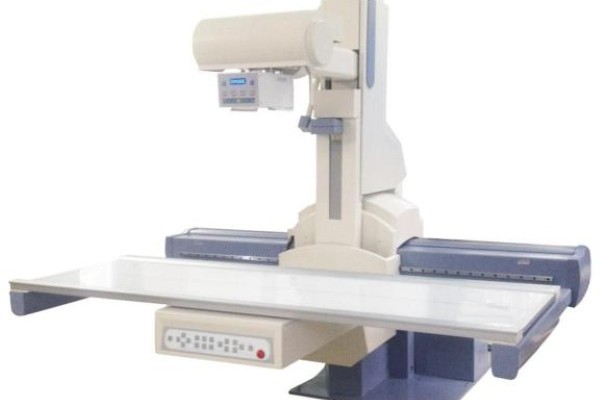
Installing dynamic DR equipment involves room modifications and IT integration that directly influence total project expenditure.
Before delivery, clinical rooms often require structural reinforcements, lead-lined shielding, and dedicated power supply upgrades to satisfy safety standards. Furthermore, integration engineers must connect the system console to local PACS and RIS networks, ensuring DICOM worklists function correctly. Buyers should clarify whether vendor quotes cover site inspections, delivery, physical installation, and network commissioning, or if third-party contractors must be hired separately.
What Additional Expenses Should Be Considered
Beyond initial hardware and installation fees, ongoing operational expenses must be factored into total cost calculations.
Staff training represents an essential early investment, ensuring technologists operate the equipment efficiently and safely. Over time, recurring costs include software license renewals, calibration services, and replacement parts. Warranties typically cover the first year of operation, after which facilities should secure an ongoing service level agreement to protect against unexpected component failures and minimize system downtime.
How Should Dynamic Digital Radiography System Quotations Be Compared
Comparing equipment quotes effectively requires standardizing component lists across competing vendors to evaluate true value.
Buyers should request itemized quotes that separate hardware specs, software features, warranty terms, and installation services. Reviewing exclusion lists prevents surprise charges during delivery and setup. Comparing warranty coverage duration, spare part availability, and local service response times ensures that procurement teams evaluate dynamic DR systems based on total operating value rather than initial purchase price alone.
Conclusion
Determining the true price of dynamic digital radiography involves evaluating hardware packages, room preparation, software licensing, and ongoing service support. Standardizing vendor quotations allows facilities to make well-informed procurement decisions.
Request a customized equipment proposal from the SEEHO medical equipment advisory group to receive an itemized breakdown covering core hardware, software licensing, site installation, and long-term service agreements.