Why Are Digital X-Ray Systems Preferred in Modern Healthcare Facilities?
Digital X-Ray Systems have become an essential part of modern medical imaging. Hospitals, clinics, and diagnostic centers increasingly rely on digital imaging technologies to support efficient diagnostic workflows and improve operational performance.
Compared with traditional film-based imaging methods, Digital X-Ray Systems provide faster image acquisition, simplified data management, and improved integration with healthcare information systems. These advantages make digital imaging an important investment for healthcare facilities seeking to modernize their imaging capabilities.
Understanding the benefits of Digital X-Ray Systems can help healthcare organizations make informed decisions when evaluating imaging technologies and planning future upgrades.
Faster Image Acquisition and Availability
One of the key advantages of Digital X-Ray Systems is the ability to acquire and review images quickly. Digital detectors capture imaging data directly, allowing healthcare professionals to access images within seconds.
Unlike traditional film processing, digital workflows eliminate development delays and reduce waiting times. Faster image availability can support more efficient patient examinations and timely clinical decision-making.
Digital X-Ray Systems Improve Workflow Efficiency
Digital X-Ray Systems help streamline imaging workflows by reducing manual processes associated with film-based imaging.
Healthcare professionals can complete examinations more efficiently while minimizing administrative tasks related to image handling and storage. Modern imaging solutions, including Fully Electric Digital Radiography and Ceiling-Mounted DR systems, are designed to support efficient workflows in busy healthcare environments.
Improved workflow efficiency can help healthcare facilities optimize resource utilization and enhance overall productivity.
Enhanced Digital Image Management
Digital imaging technologies generate images in electronic formats that can be stored, retrieved, and managed through digital platforms.
Digital archives reduce the need for physical storage space and simplify long-term image management. Flat Panel Digital Radiography systems further support efficient image acquisition and digital workflow management.
Healthcare providers can quickly access previous examinations, helping support continuity of care and more efficient clinical operations.
Convenient Image Sharing and Collaboration
Modern healthcare often requires collaboration among multiple departments and specialists.
Digital X-Ray Systems enable healthcare professionals to share imaging data electronically across healthcare networks. This capability improves communication between radiologists, physicians, surgeons, and other healthcare providers.
Efficient image sharing supports coordinated patient care and can help accelerate clinical decision-making processes.
Digital X-Ray Systems Integration with Healthcare Information Systems
Many healthcare organizations integrate Digital X-Ray Systems with PACS, RIS, and hospital information systems.
Connected digital platforms allow imaging information to move seamlessly throughout healthcare workflows. Dynamic Digital Radiography systems are increasingly designed to integrate with modern healthcare infrastructures and support advanced imaging processes.
Effective system integration can improve data accessibility, workflow coordination, and healthcare information management.
| Benefit | Description | Clinical Value |
|---|---|---|
| Faster Image Acquisition | Images available within seconds | Improves diagnostic speed |
| Workflow Efficiency | Reduces manual film processing | Enhances hospital productivity |
| Digital Image Management | Electronic storage and retrieval | Supports long-term patient tracking |
| System Integration | PACS/RIS connectivity | Improves data workflow |
| Image Sharing | Digital transfer across departments | Enhances collaboration |
| Flexible Deployment | Mobile / ceiling / fixed systems | Adapts to different facilities |
Digital X-Ray Systems in Digital Healthcare Transformation
Healthcare facilities worldwide continue to adopt digital technologies across clinical and administrative operations.
Digital X-Ray Systems align with these modernization efforts by supporting efficient image management, electronic record integration, and connected healthcare environments.
Digital imaging technologies also support organizations expanding telemedicine and remote healthcare services. Mobile Digital Radiography and Vehicle-Mounted Digital Radiography solutions can help extend imaging capabilities to remote and underserved areas.
Flexible Deployment Options
Digital X-Ray Systems are available in a variety of configurations to meet different clinical requirements.
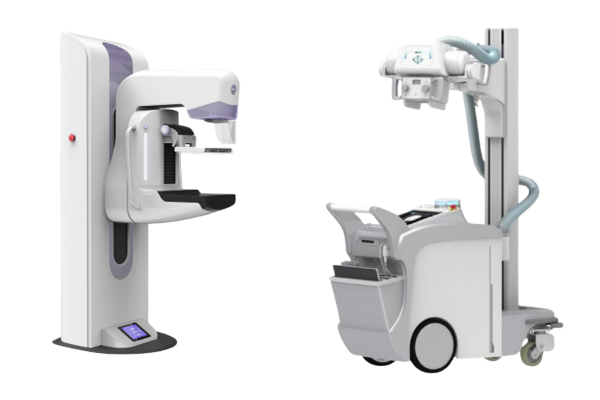
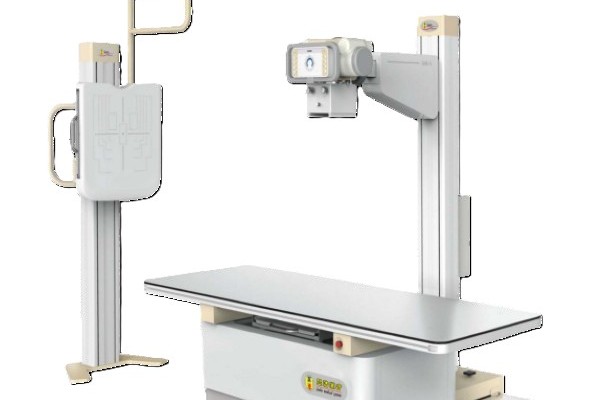
Healthcare facilities can choose from solutions such as Ceiling-Mounted Digital Radiography, Mobile Digital Radiography, Fully Electric Digital Radiography, and other specialized imaging systems based on workflow demands and available space.
This flexibility enables healthcare providers to deploy imaging services effectively across a wide range of healthcare settings.
Conclusion
Digital X-Ray Systems offer significant advantages for modern healthcare facilities, including faster image acquisition, improved workflow efficiency, enhanced image management, and seamless healthcare system integration.
As healthcare organizations continue to modernize their imaging infrastructure, digital imaging technologies remain essential for supporting efficient clinical workflows and high-quality patient care.
Healthcare professionals interested in exploring modern imaging technologies can also learn more about Digital Radiography, Mobile Digital Radiography, and other medical imaging solutions available from SEEHO Medical Equipment.