How Much Does a Digital Mammography System Cost?
Introduction
The price of a Digital Mammography System can vary considerably depending on its configuration and intended clinical use. A basic 2D system may have a very different price from a system equipped with 3D tomosynthesis and advanced software.
For hospitals and breast imaging centers, the equipment price is only part of the total investment. Installation, training, maintenance, software, and accessories can also add to the overall cost.
For this reason, there is no single price that applies to every mammography system. A better approach is to understand what affects the price and what costs may arise after installation.
Typical Price Range
Basic Digital Mammography Systems
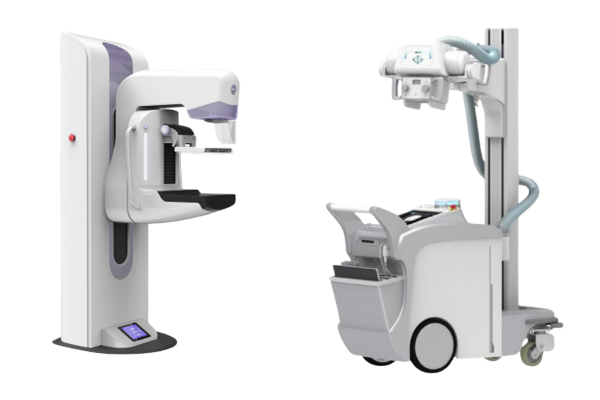
A basic Digital Mammography System is generally designed for standard 2D breast imaging. Its configuration may include the X-ray tube, digital detector, compression system, workstation, and basic image processing software.
The price can vary according to detector specifications, software functions, mechanical design, and included accessories. Systems with a simpler configuration usually require less initial investment than more advanced models.
However, the purchase price does not show the full cost of using the equipment. Installation, maintenance, software support, and replacement parts can also affect the total expense over time.
Advanced Systems with Tomosynthesis
A system with 3D tomosynthesis normally has a more complex imaging configuration. Instead of producing only a conventional 2D image, tomosynthesis captures images from multiple angles and reconstructs them into thin image slices.
This additional capability requires suitable hardware and image processing software. As a result, a Digital Mammography System with tomosynthesis will generally cost more than a basic 2D configuration.
The actual price difference depends on the detector, software package, workstation, and other components included in the system.
Factors Affecting Equipment Cost
Imaging Technology Configuration
The imaging configuration is one of the main factors behind the cost of a Digital Mammography System.
Detector Type
The detector directly affects how X-ray information is captured. Different detector technologies and specifications can provide different levels of image detail and performance.
Higher-end detector configurations may increase the equipment price. However, the right choice depends on the imaging requirements of the facility rather than simply selecting the most expensive detector available.
2D or 3D Capability
The choice between 2D mammography and 3D tomosynthesis also affects the overall investment. A 2D system has a simpler imaging process, while tomosynthesis requires additional image acquisition and reconstruction capabilities.
Facilities should consider which examinations they need to perform before deciding whether the additional cost of 3D capability is justified.
Software Functions
Software can account for an important part of the overall system configuration.
Image Processing
Image processing software helps optimize contrast, reduce noise, and present acquired images for clinical review. Different software packages may provide different processing capabilities.
A more advanced software configuration can increase the price of a Digital Mammography System, particularly when it includes additional image analysis or workflow functions.
AI-Assisted Tools
Some modern mammography systems can include AI-assisted tools for image analysis or workflow support. These functions may be offered as part of the original system or as additional software options.
Licensing arrangements can also affect the total cost, so healthcare providers should check whether software fees are included in the quoted equipment price.
System Configuration
The main imaging unit is only one part of the complete system.
Workstation
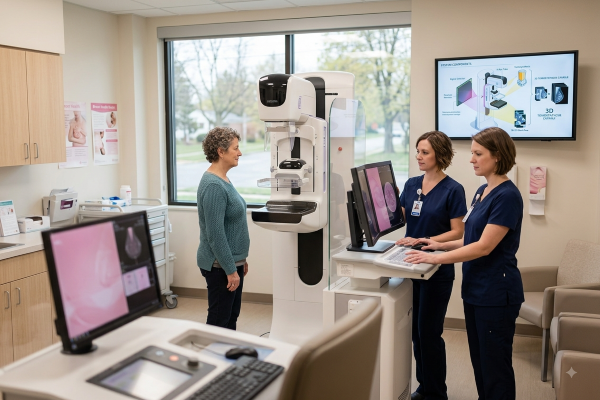
A dedicated workstation is used to operate the equipment and review acquired images. Its hardware specifications and software functions can vary between configurations.
Accessories
Compression components, positioning accessories, and other supporting equipment may also be included. The number and type of accessories can affect the final price.
Additional Investment Costs
Installation Requirements
The initial equipment quotation may not include every cost associated with installation. The imaging room may require electrical work, network connections, radiation protection, or other site preparation.
These requirements depend on the existing facility. Confirming them before installation can help hospitals avoid unexpected expenses.
Training Costs
Operators need appropriate training before using the equipment in routine clinical practice. Training may cover system operation, patient positioning, image acquisition, and basic workflow procedures.
Some manufacturers include training in the equipment package, while others may charge separately for additional training sessions.
Maintenance Costs
Maintenance should also be included when calculating the long-term cost of a Digital Mammography System. Regular inspections, software updates, replacement parts, and technical service can all contribute to operating expenses.
A system with a higher purchase price may still provide better long-term value if it offers reliable performance and manageable maintenance requirements.
Evaluating the Total Cost
The purchase price is only one part of the overall investment. Hospitals should also consider installation, training, maintenance, software licensing, and the expected service life of the equipment.
Looking at these expenses together can provide a more realistic picture of the long-term cost of a Digital Mammography System. A system with a higher initial price may offer better value if it provides reliable performance and reasonable operating costs over several years.
Conclusion
The cost of a Digital Mammography System depends on many factors, including detector technology, 2D or 3D capability, software functions, workstation configuration, accessories, installation, and maintenance.
Looking only at the initial equipment price may not provide a complete picture. Considering both upfront investment and long-term operating costs can help healthcare providers make a more realistic assessment.
Contact us to learn more about Digital Mammography System configurations and find an imaging solution that matches your facility’s clinical and budget requirements.