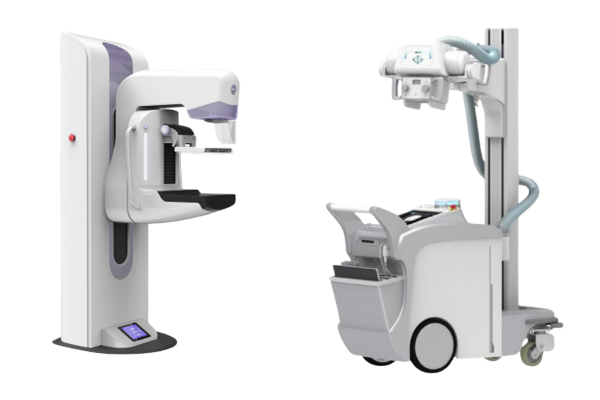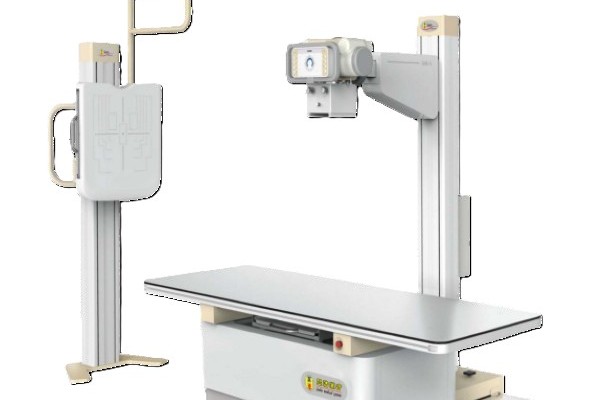
How Does a Digital Mammography System Improve Diagnostic Efficiency?
Introduction
A Digital Mammography System can help breast imaging departments make daily examinations more efficient. Faster image acquisition, quick image availability, and easier digital image management can reduce delays during routine work.
Diagnostic efficiency matters in busy hospitals and screening centers. Patients need timely examinations, while radiologists need clear images and quick access to previous studies. Digital workflows can simplify several routine steps without changing the role of clinical professionals.
The benefits also extend beyond image acquisition. Digital image management and easier communication can reduce manual work and support cooperation between departments.
Faster Workflow with Digital Mammography System
Shorter Image Acquisition Time
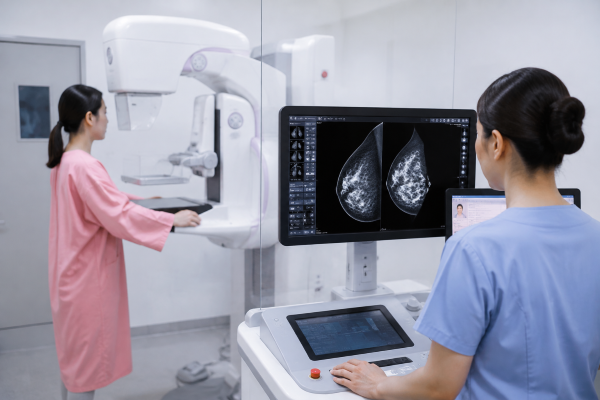
Digital image acquisition removes several steps associated with film-based mammography. After exposure, the image can be processed electronically and displayed on the workstation.
Technicians do not need to wait for film processing before checking the result. This can help maintain a steady examination flow, especially in busy screening centers.
Faster image availability also allows technicians to check image quality during the examination. If an additional view is required, they can identify the need sooner.
Immediate Image Availability
Radiologists can review digital images shortly after acquisition. They do not need to wait for physical films to be developed and delivered.
This shorter waiting period can make the examination schedule easier to manage. It can also help departments handle a larger number of examinations without adding unnecessary delays.
Improved Image Interpretation with Digital Mammography System
Better Visualization of Breast Structures
Image quality plays an important role in diagnostic work. Digital Mammography System technology provides digital images that can be reviewed and adjusted on a workstation.
Radiologists can examine breast tissue, masses, calcifications, and other areas of interest using available image tools. Flexible image presentation can make certain details easier to assess.
Enhanced Contrast and Detail
Digital image processing can improve how breast structures appear on the screen. Radiologists can adjust image presentation when they need to examine specific areas more closely.
These functions do not replace clinical judgment. They give radiologists greater flexibility when reviewing mammography images.
Digital Mammography System Workflow Efficiency
Digital Image Management
Physical films require storage and manual retrieval. Digital images can be stored electronically and accessed when needed.
A Digital Mammography System can make previous examinations easier to retrieve. Radiologists can compare current and earlier images without searching through physical film records.
Automated Workflow Assistance
Digital workflows can reduce repetitive tasks during routine examinations. Image processing and automated workflow functions can help staff complete standard steps more efficiently.
This allows technicians to spend more time on patient positioning and image quality.
Department Collaboration with Digital Mammography System
PACS-Based Image Sharing
A Digital Mammography System can connect with PACS to support digital image sharing. Authorized healthcare professionals can access examinations from different locations within the hospital network.
This can reduce delays caused by manually transferring images between departments. It also makes relevant studies easier to access during image review.
Remote Consultation Support
Digital images can support remote consultation when specialists are not available on site. A radiologist in another location can review the required examination through an appropriate secure system.
This can be useful for hospitals with limited access to specialist expertise. It can also make consultation more practical when cases require additional professional input.
Conclusion
Digital Mammography Systems can improve diagnostic efficiency at several points in the breast imaging workflow. Faster image availability, easier image review, digital storage, and simpler image sharing can reduce unnecessary delays.
These improvements can create a smoother workflow for technicians and radiologists. For facilities seeking more efficient breast imaging processes, Digital Mammography System technology can provide practical support.
Contact us to learn more about Digital Mammography System solutions and their applications in breast imaging.