What Are the Key Applications of Digital X-ray Systems in Healthcare Facilities?
Digital X-ray systems have become an important part of modern medical imaging. Healthcare providers use these systems to support a wide range of diagnostic examinations and clinical workflows.
Digital X-ray imaging combines X-ray acquisition with digital image processing and management. This technology allows healthcare professionals to obtain medical images efficiently while supporting digital healthcare operations.
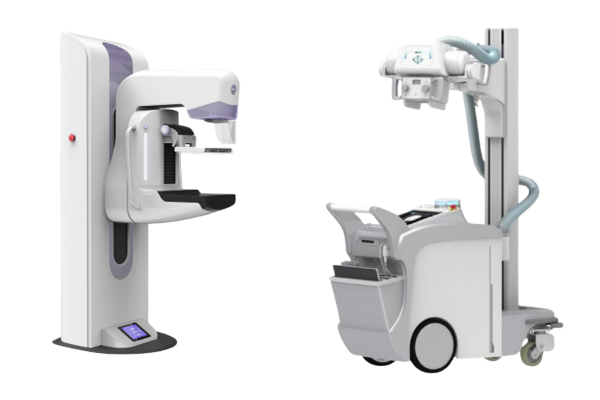
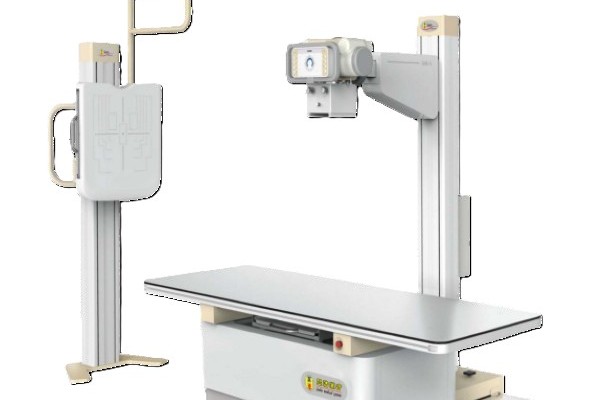
Today, applications of Digital X-ray systems extend beyond traditional radiology departments. Hospitals, clinics, emergency care units, and mobile healthcare services all rely on DR technology to support patient care.
General Radiography Examinations
General radiography remains one of the most common applications of Digital Radiography.
Healthcare professionals use DR systems to examine the chest, spine, pelvis, joints, and extremities. These examinations help physicians evaluate a variety of medical conditions and injuries.
Digital workflows allow imaging departments to complete routine examinations efficiently while supporting daily clinical operations.
Digital X-ray Systems in Orthopedic Imaging
Orthopedic departments frequently use Digital X-ray systems to evaluate bones and joints.
Physicians use digital X-ray images to assess fractures, joint alignment, degenerative changes, and post-operative outcomes.
Digital image management allows healthcare professionals to review previous examinations and monitor patient progress over time.
Because orthopedic imaging often involves a high volume of examinations, efficient DR system workflows are especially valuable.
Digital X-ray Systems in Chest Imaging
Chest imaging is one of the most frequently performed X-ray procedures worldwide.
Healthcare providers use Digital X-ray imaging to support the evaluation of lung conditions, respiratory symptoms, and routine health examinations.
Digital image acquisition allows healthcare professionals to access chest images quickly and integrate them into broader clinical workflows.
Many hospitals rely on DR systems for both inpatient and outpatient chest imaging services.
Emergency and Trauma Care
Emergency departments require imaging solutions that support rapid clinical decision-making.
Digital X-ray systems help healthcare professionals obtain images quickly during emergency situations. Physicians can review images shortly after acquisition and determine appropriate treatment plans.
Trauma patients often require immediate imaging assessments. DR systems support emergency workflows by reducing delays between image acquisition and clinical review.
This capability makes Digital X-ray imaging an important tool in emergency healthcare environments.
Imaging in Clinics and Outpatient Centers
Many clinics use Digital X-ray systems as part of routine diagnostic services.
Digital imaging supports efficient patient management and reduces the complexity associated with film-based workflows.
Outpatient imaging centers also benefit from DR systems because digital technologies help improve examination efficiency and image management.
As healthcare services continue to expand outside large hospitals, Digital X-ray technology remains an important imaging solution for outpatient care.
Mobile Healthcare Applications
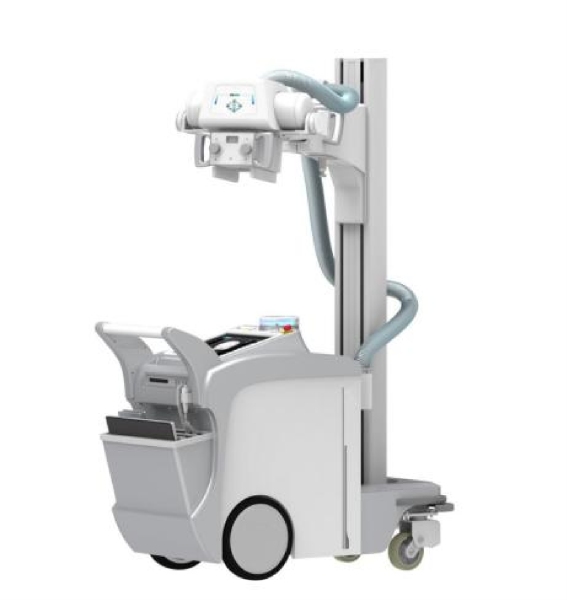
Mobile DR systems extend imaging services beyond traditional radiology rooms.
Healthcare providers use mobile Digital X-ray systems in hospital wards, intensive care units, and temporary healthcare facilities.
Mobile imaging solutions are also valuable in rural healthcare programs, disaster response operations, and community healthcare initiatives.
These systems help healthcare organizations provide imaging services in locations where fixed imaging rooms may not be available.
Digital X-ray Systems in Diagnostic Imaging Centers
Diagnostic imaging centers often manage large numbers of examinations each day.
Digital Radiography systems support high-volume imaging workflows through efficient image acquisition and digital data management.
Healthcare professionals can access images quickly and integrate them into centralized imaging systems.
This efficiency helps imaging centers improve workflow management and support patient services.
The Expanding Role of Digital X-ray Systems
The role of Digital X-ray systems continues to expand as healthcare facilities adopt digital technologies.
Modern DR systems support integration with PACS, hospital information systems, and digital healthcare platforms. These capabilities help healthcare providers improve communication, image accessibility, and operational efficiency.
As healthcare organizations continue to modernize their infrastructure, Digital Radiography are expected to remain a key component of diagnostic imaging services.
Conclusion
Digital X-ray systems support a wide range of clinical applications, including general radiography, orthopedic imaging, chest examinations, emergency care, outpatient services, and mobile healthcare.
The flexibility of DR systems allows healthcare providers to adapt imaging services to different clinical environments and patient needs.
As medical imaging technology continues to evolve, Digital X-ray systems remain an essential tool for modern healthcare delivery. For healthcare providers seeking reliable imaging solutions, SEEHO Medical Equipment offers a range of DR systems that support diverse clinical applications across hospitals, clinics, and imaging centers.
For more product information or customized solutions, please feel free to contact our professional team for further assistance.