What Factors Affect the Cost of Dynamic Digital Radiography?
The cost of dynamic digital radiography is primarily driven by detector matrix physics, generator output ratings, software feature licensing, room shielding modifications, and post-warranty service agreements. While initial equipment quotes reflect baseline hardware packages, total capital requirements vary widely based on chosen performance parameters and facility readiness. Analyzing how individual engineering choices and operational demands influence overall expenditure helps healthcare procurement committees build realistic financial models before issuing equipment tenders.
How Do Detector Specs and Component Engineering Drive Pricing
The physical components chosen for a dynamic DR installation dictate a major portion of the baseline hardware price tag.
- Flat-Panel Detector Architecture: High frame rate panels manufactured with Cesium Iodide (CsI) scintillators and high detective quantum efficiency cost significantly more than standard static panels due to high-speed readout electronics.
- X-Ray Tube and Thermal Management: Sustained pulsed imaging requires heavy-duty X-ray tubes with massive heat capacities and active cooling units, which increases manufacturing costs.
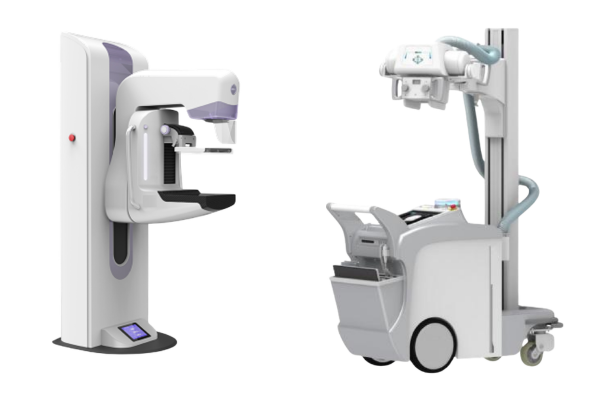
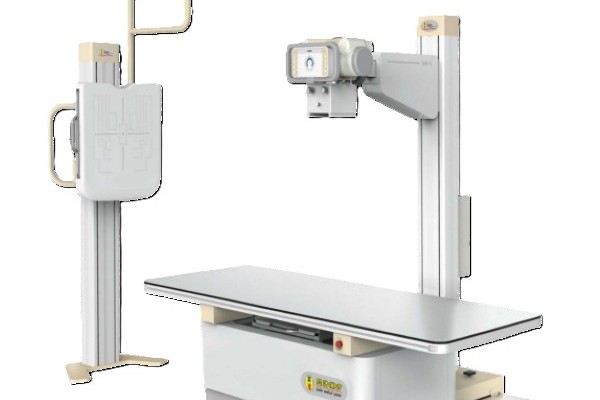
- Mechanical Positioning Hardware: Motorized gantries, floor-to-ceiling stands, and elevating patient tables carry higher price tags than basic stationary hardware.
Investing in top-tier hardware elevates initial capital layout, but it provides the structural durability required for high-volume clinical departments.
Key Financial Variables Checklist
Use this non-template checklist during early budget discussions to identify hidden project expenses:
- Hardware Tier: Frame rate capacity, DQE rating, generator power, and motorized gantry features.
- Software Scope: Advanced motion tracking algorithms, specialized orthopedic suites, and user licenses.
- Site Retrofitting: Structural ceiling steel, power transformers, lead wall lining, and network cabling.
- Post-Purchase Support: Multi-year service contracts, replacement part guarantees, and software patches.
How Do Software Features and Licensing Models Impact Costs
Software architecture dictates long-term financial commitments depending on vendor licensing structures and module packages.
Core acquisition software and standard DICOM connectivity typically come bundled with base equipment quotes. However, advanced clinical toolsets—such as automated diaphragm tracking, bone suppression algorithms, and quantitative joint motion analysis—are often billed as premium software add-ons. Furthermore, facilities must clarify whether future software updates are included in the primary package or structured as annual subscription fees.
How Do Room Modifications and Network Connectivity Affect Project Expenses
Preparing clinical space and linking new hardware to hospital network archives introduces variable site-preparation costs.
Older imaging suites often require electrical infrastructure upgrades, additional lead shielding, and floor reinforcements to support dynamic digital radiography gantries. On the IT side, integration engineers must configure DICOM Modality Worklists and PACS storage pathways. Facilities with modern pre-shielded rooms and flexible IT architectures incur significantly lower setup costs than older clinics needing extensive renovations.
How Do Service Agreements and Operating Overhead Shape Lifetime Costs
Operational expenses extending beyond the initial installation phase heavily influence the total cost of ownership for dynamic DR hardware.
Comprehensive service agreements covering preventive maintenance, emergency call-outs, tube replacement coverage, and remote diagnostic support ensure long-term system stability. While extended warranties increase annual operating budgets, they shield institutions from unexpected repair bills and costly equipment downtime. Factoring expected daily exam volume into initial planning ensures that institutions select equipment configurations scaled appropriately for their long-term operational budget.
Conclusion
Evaluating the true financial footprint of dynamic digital radiography requires analyzing flat-panel detector physics, software licensing, site preparation, and ongoing service support together. Understanding these financial drivers allows healthcare administrators to allocate capital budgets effectively while securing reliable diagnostic technology.
Are you planning a capital equipment budget for your imaging department? Contact the SEEHO financial and technical consulting group today to request a comprehensive cost breakdown and site feasibility survey for your dynamic digital radiography project.