How to Choose a DR System for Healthcare Facilities?
A DR System has become an essential imaging solution in modern healthcare environments. Hospitals, clinics, and diagnostic centers increasingly rely on Digital Radiography System technology to improve imaging efficiency, accelerate diagnosis, and support digital workflow transformation.
However, selecting the right DR System requires careful evaluation of multiple factors, including clinical requirements, installation conditions, workflow integration, and long-term scalability. A structured selection approach can help healthcare providers achieve better performance and investment value.
Clinical Requirements
The first step in selecting a Digital Radiography System is to clearly define clinical requirements.
Large hospitals typically require high-throughput DR System solutions to support multiple departments and high patient volumes. Smaller clinics may prioritize simplicity, compact design, and essential imaging functions.
Key considerations include:
- Daily patient volume
- Main examination types (chest, orthopedic, etc.)
- Required imaging speed and efficiency
A clear understanding of clinical needs helps narrow down suitable DR System options and improves procurement accuracy.
Installation Space Considerations
Installation conditions play a key role in Digital Radiography System selection.
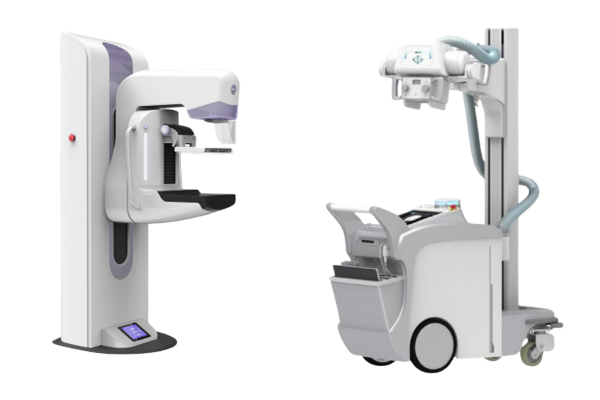
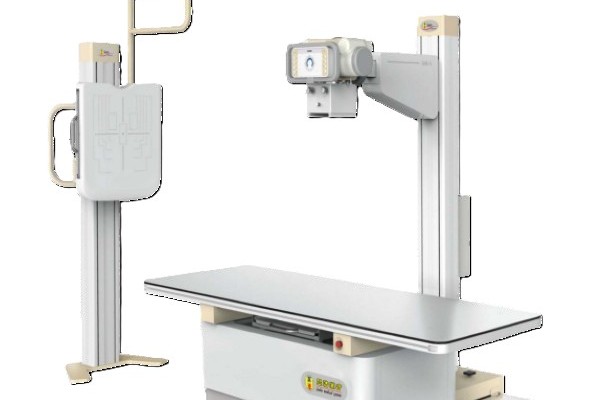
Fixed DR System installations usually require a dedicated radiology room with sufficient space for equipment operation and patient positioning. Facilities with limited space may need compact or modular DR System solutions.
Important factors include:
- Room size and layout
- Workflow and patient movement design
- Future expansion possibilities
Proper space planning ensures efficient Digital Radiography System operation and optimal workflow performance.
Fixed vs Mobile DR System
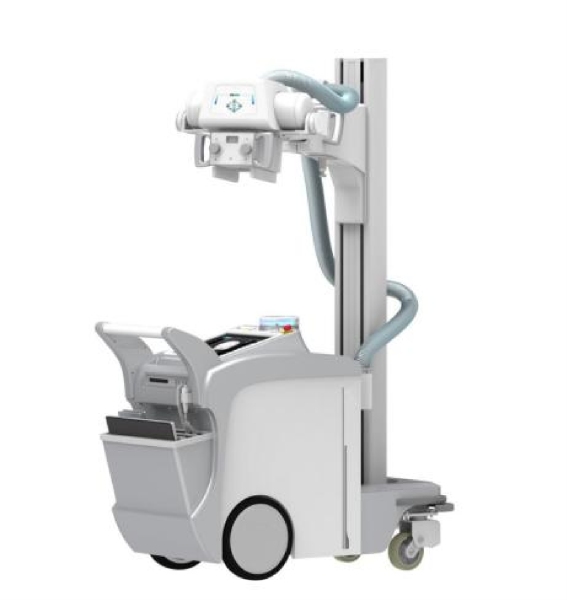
DR System solutions are generally divided into fixed and mobile configurations.
Fixed DR System is suitable for radiology departments with high patient volume and standardized workflows. It provides stable performance and high efficiency.
Mobile DR System is designed for flexible use scenarios such as ICU, emergency departments, and bedside imaging. It allows imaging to be performed directly at the patient’s location.
Choosing between them depends on clinical workflow requirements.
Evaluate Detector Performance in DR System
The detector is a core component of any Digital Radiography System and directly affects image quality.
Most modern DR System solutions use Flat Panel Detector (FPD) technology to achieve high-resolution imaging and fast acquisition.
Evaluation factors include:
- Image resolution and clarity
- Response speed
- Stability and durability
- Maintenance requirements
High-quality detectors significantly enhance the clinical value of a Digital Radiography System.
Workflow Integration
Modern healthcare environments rely heavily on digital systems, making integration capability a key factor in DR System selection.
A well-designed DR System should support integration with:
- PACS (Picture Archiving and Communication System)
- RIS (Radiology Information System)
- HIS (Hospital Information System)
Benefits include:
- Improved image management
- Reduced manual workflow
- Faster diagnostic reporting
- Higher operational efficiency
System compatibility should always be evaluated before purchasing a Digital Radiography System.
Service and Maintenance of DR System
Long-term performance of a Digital Radiography System depends on both equipment quality and after-sales support.
Healthcare facilities should evaluate:
- Technical support response time
- Installation and training services
- Spare parts availability
- Maintenance system reliability
A strong service system helps reduce downtime and ensures stable Digital Radiography System operation.
Future Expansion of DR System
Healthcare needs continue to evolve, making scalability an important consideration in DR System selection.
A scalable Digital Radiography System allows healthcare institutions to:
- Expand imaging capacity over time
- Adapt to increasing patient volume
- Support new clinical applications
- Extend equipment lifecycle
Future-ready planning improves long-term investment value.
Conclusion
Selecting a DR System requires a comprehensive evaluation beyond technical specifications. Clinical requirements, installation conditions, detector performance, workflow integration, and future scalability all play important roles in decision-making.
A well-matched Digital Radiography System can significantly improve imaging efficiency, diagnostic accuracy, and overall workflow performance in healthcare facilities.
As medical imaging continues to evolve, different healthcare institutions are also facing changing requirements for Digital Radiography System configurations. If you are planning to build a new imaging department or upgrade existing equipment, understanding different system options can help support more informed decision-making.
For further information about suitable DR System configurations or to request more detailed technical guidance, you are welcome to contact SEEHO Medical Equipment. We can provide professional support and product information tailored to different clinical scenarios and operational requirements.