What Is Digital Radiography?
Digital radiography is a medical imaging technology that uses digital detectors to capture X-ray images and convert them into digital data for viewing, processing, and storage. It replaces traditional film-based X-ray systems and enables fully digital image management in healthcare facilities.
With the development of medical imaging technology, digital radiography has become a widely adopted solution in hospitals, clinics, and diagnostic imaging centers. It allows healthcare professionals to obtain high-quality medical images efficiently and manage them in a digital workflow.
Basic Concept of Digital Radiography
DR is a medical imaging technology based on the principles of X-ray imaging. Its core function is to use a digital detector to capture X-ray information after it passes through the human body and convert it into digital data, which is then processed into diagnostic medical images.
Although digital radiography incorporates advanced digital technology, its imaging principle remains the same as conventional X-ray imaging. Different tissues absorb X-rays at different levels, producing images that can be used for medical diagnosis. The introduction of digital technology enables image data to be acquired, displayed, and managed in digital form.
From the terminology perspective, “Digital” refers to digitization, while “Radiography” refers to X-ray imaging. Therefore, DR is essentially a combination of digital technology and traditional X-ray imaging. Unlike conventional film-based systems, DR does not rely on physical film but uses a digital system for image acquisition and management.
Components of a DR System
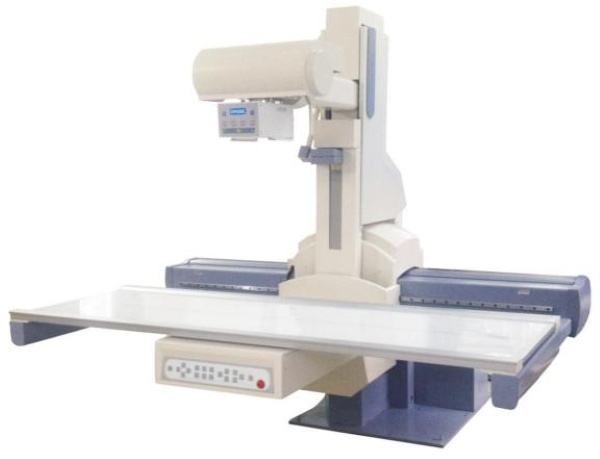
A digital radiography system typically consists of an X-ray generator, a digital detector, and an image processing workstation. These components work together to complete the imaging process from acquisition to display.
X-ray Generator
The X-ray generator produces the radiation required for imaging and serves as the primary source of X-rays in the system.
Digital Detector
The digital detector captures X-ray signals after they pass through the human body and converts them into digital data for further processing.
Image Processing Workstation
The workstation processes the digital data, displays medical images, and supports storage and transmission for clinical use.
Through the coordinated operation of these components, digital radiography systems enable efficient digital imaging workflows in modern healthcare environments.
Key Features of Digital Radiography
DR differs from traditional film-based X-ray systems mainly in its digital imaging and management capabilities.
Digital Image Acquisition
DR directly captures X-ray information using digital detectors and generates images in digital format without the need for film.
Digital Image Management
Images can be stored digitally, allowing easy viewing, processing, transmission, and long-term archiving through computer systems, improving workflow efficiency.
Integration of Medical Imaging and Digital Technology
DR combines traditional X-ray principles with digital detection and computer processing technologies, enabling a fully digital imaging workflow.
These features make digital radiography an essential component of modern medical imaging systems and a replacement for conventional film-based radiography.
Conclusion
Digital radiography combines digital detectors with X-ray imaging technology to enable the digital acquisition and management of medical images. It has become an essential part of modern medical imaging systems.
With the increasing demand for imaging efficiency and digital workflow management in healthcare facilities, DR systems are gradually replacing traditional film-based X-ray systems and are widely used in hospitals, clinics, and diagnostic imaging centers.
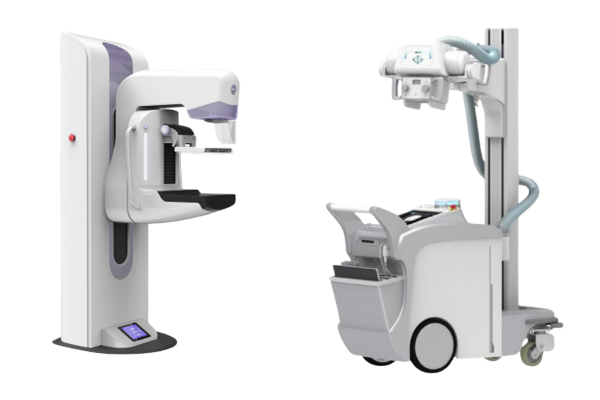
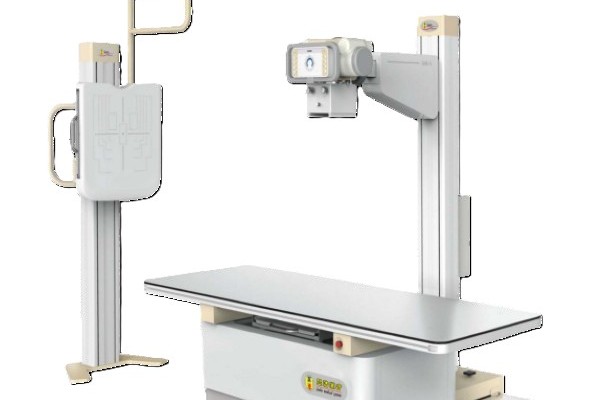
In practical applications, different healthcare institutions select appropriate DR system configurations based on their needs, such as fixed DR systems, mobile DR systems, or specialized imaging solutions to meet various clinical scenarios.
The continuous development of digital radiography technology is driving medical imaging toward higher efficiency and greater system integration. As healthcare facilities continue to modernize, medical equipment providers such as Seeho Medical are expanding their portfolios to support evolving imaging, diagnostic, and healthcare workflow requirements.