Can Dynamic Digital Radiography Provide Both Static and Dynamic Images?
Dynamic digital radiography can provide both standard static planar projections and continuous dynamic imaging sequences within a single hardware platform. While static imaging captures high-resolution anatomical snapshots, dynamic sequences visualize real-time physiological motion over an acquisition interval. Dynamic digital radiography integrates these dual modalities by utilizing multi-mode flat-panel detectors and adaptable readout electronics. Consequently, clinical facilities obtain comprehensive diagnostic information across different examination protocols without transferring patients between separate imaging suites.
Static Imaging Remains Important in Dynamic Digital Radiography
Static projection radiography remains the clinical backbone of routine diagnostic radiology. Dynamic digital radiography systems perform conventional static examinations with image sharpness comparable to dedicated general DR units. High-resolution single-frame projections deliver the fine edge delineation required to assess trabecular bone patterns, micro-fractures, joint spaces, and subtle pulmonary nodules.
Radiologists continue to rely on single-frame static views for standardized diagnostic documentation and longitudinal case comparisons. Because baseline radiographic interpretation protocols are built around static anatomical projections, static imaging remains indispensable. A versatile dynamic dr system preserves these essential baseline capabilities, ensuring clinical teams handle routine outpatient volumes alongside advanced diagnostic exams.
Dynamic Imaging Captures Motion Over Time
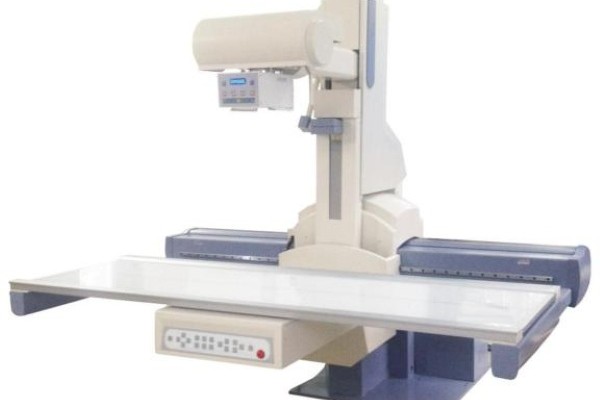
Dynamic imaging captures rapid series of low-dose projection frames as anatomical structures move naturally over time. Rather than producing an isolated anatomical frame, dynamic dr tracks functional kinematics across physiological cycles. Clinicians observe diaphragmatic excursion during respiration, vocal cord mechanics during phonation, and biomechanical tracking in musculoskeletal joints under physical load.
This continuous acquisition reveals functional abnormalities that remain undetectable on static projections, such as ligament laxity or respiratory impingement. Crucially, dynamic digital radiography differs from conventional fluoroscopy. Fluoroscopy focuses on real-time procedural guidance with variable exposure rates and lower spatial resolution. In contrast, dynamic digital radiography delivers pulsed, high-resolution radiographic image series explicitly engineered for quantitative post-acquisition motion analysis.
One System Can Support Both Imaging Modes
Combining static and dynamic acquisition modes in one unit streamlines the overall radiology department workflow. Technologists transition between static views and dynamic series within the user interface, utilizing the same positioning setup. This unified protocol accelerates clinical throughput and minimizes physical repositioning for immobile or trauma patients.
| Technical Evaluation Metric | Static Imaging Requirement | Dynamic Imaging Requirement |
| Primary Clinical Focus | Morphological evaluation and high-contrast margins | Functional kinematics and real-time biomechanics |
| Detector Readout Speed | Single-frame rapid discharge | High frame rates (up to 15–30 frames per second) |
| Exposure Parameter Control | Standard radiographic mAs and selectable kVp | Pulsed micro-dose exposure sequences |
| Software Processing | Edge enhancement and unsharp masking | Multi-frame registration and motion tracking |
When procuring equipment, healthcare administrators must evaluate detector matrix speed, thermal management, and algorithmic processing pipelines. High-performance Dynamic DR units require fast-switching cesium iodide (CsI) detectors with minimal image lag. Furthermore, advanced post-processing workstations must handle large multi-frame dynamic datasets efficiently. Implementing dual-mode dynamic digital radiography systems reduces hospital capital expenditure, optimizes departmental footprint, and maximizes daily equipment utilization.
Conclusion
Dynamic digital radiography successfully combines high-resolution static exams and continuous functional dynamic sequences into an integrated operational solution. These two acquisition modes do not compete or replace one another; rather, they serve complementary diagnostic roles. By consolidating morphological evaluation and kinematic analysis into one device, dynamic digital radiography elevates diagnostic confidence while lowering overall institutional costs.
Contact our technical team today to request specifications and schedule a demonstration.