What are the key differences between dynamic digital radiography and fluoroscopy?
Modern medical imaging technologies allow doctors to observe internal structures and body functions more effectively. Dynamic digital radiography and fluoroscopy are two important X-ray imaging technologies used in clinical practice.
Both technologies capture moving anatomical information, but they work in different ways. DDR focuses on recording high-resolution image sequences for functional analysis. Fluoroscopy focuses on providing real-time imaging guidance during medical procedures.
Understanding the differences between dynamic digital radiography and fluoroscopy helps healthcare providers select the right imaging solution for different clinical needs.
Different Imaging Principles of Dynamic Digital Radiography and Fluoroscopy
Dynamic digital radiography uses a flat panel detector to capture multiple X-ray images in a short period. The system creates continuous image sequences that show movement changes over time.
Unlike conventional Digital Radiography, which mainly provides single static images, DDR records motion-related information. Doctors can analyze functional changes in organs, bones, and soft tissues through these dynamic images.
Fluoroscopy uses continuous or pulsed X-ray exposure to display real-time moving images on a monitor. The technology allows doctors to observe anatomical structures while performing examinations or procedures.
The main difference is that DDR focuses on high-quality image analysis, while fluoroscopy focuses on real-time visual guidance.
Differences in Image Quality and Diagnostic Information
Dynamic digital radiography provides high spatial resolution because it uses advanced digital detectors. The technology can capture detailed anatomical structures while recording movement.
This feature allows doctors to evaluate both structure and function. For example, clinicians can analyze respiratory movement, swallowing processes, and joint motion through dynamic image sequences.
Fluoroscopy provides continuous live imaging during procedures. However, fluoroscopy images usually have lower spatial resolution compared with standard Digital Radiography images.
Fluoroscopy gives doctors immediate movement information, but DDR provides more detailed images for post-examination analysis.
Different Clinical Applications
Dynamic digital radiography is mainly used for functional examinations and movement analysis. The technology can support applications in respiratory medicine, orthopedics, and swallowing assessment.
Doctors can use Dynamic DR to observe chest movement during breathing. They can also evaluate joint movement patterns and changes in anatomical structures.
Fluoroscopy is widely used in interventional procedures and contrast examinations. Doctors commonly use fluoroscopy for gastrointestinal studies, angiography, catheter placement, and minimally invasive treatments.
The two technologies serve different clinical purposes. Dynamic DR provides additional diagnostic information, while fluoroscopy supports procedure guidance.
Differences in Radiation Dose Management
Both dynamic digital radiography and fluoroscopy require effective radiation management. Healthcare facilities must follow radiation safety principles during all X-ray examinations.
DDR usually captures images through short exposure periods. The system records specific movements instead of continuously exposing the patient.
Modern DR systems use advanced detectors and image processing technologies to improve dose efficiency. These technologies help maintain image quality while controlling radiation exposure.
Fluoroscopy may involve longer imaging periods because doctors need continuous visual monitoring. The radiation dose depends on procedure duration, imaging settings, and clinical requirements.
Differences in Equipment Design and Workflow
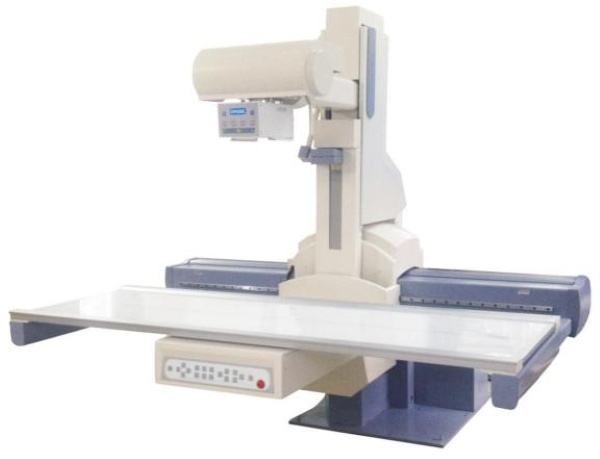
DDR is based on a Digital Radiography system with dynamic image acquisition capabilities. The system usually uses a flat panel detector and specialized software for image processing.
The workflow is similar to conventional X-ray examinations. Healthcare staff can integrate dynamic digital radiography into existing radiology departments.
Fluoroscopy requires specialized imaging equipment designed for real-time procedures. These systems often include mobile C-arms, examination tables, and dedicated monitoring systems.
Because of different designs, dynamic DR is mainly used for diagnosis, while fluoroscopy is often used for intervention and guidance.
Key Advantages of Dynamic Digital Radiography in Medical Imaging
Dynamic digital radiography combines the advantages of traditional X-ray imaging and motion analysis. The technology provides detailed images while showing changes during movement.
The system helps doctors obtain more diagnostic information compared with static X-ray examinations. It can reveal functional abnormalities that may not appear in conventional images.
Dynamic DR also supports non-invasive examinations. Patients can complete many functional assessments without complex procedures.
With continuous development of medical imaging technology, DDR is becoming an important part of modern Digital Radiography solutions.
Advantages of Fluoroscopy
Fluoroscopy remains an essential imaging technology in many medical fields. The system provides real-time visual feedback during examinations and procedures.
Doctors can monitor instruments, contrast agents, and anatomical changes immediately. This capability makes fluoroscopy valuable for minimally invasive treatments.
The technology improves procedural accuracy and helps doctors perform complex medical operations more safely.
Choosing DDR and Fluoroscopy for Clinical Needs
Healthcare providers should choose imaging technology based on clinical requirements. Dynamic digital radiography is suitable for situations that require detailed movement analysis and functional evaluation.
Fluoroscopy is more suitable for procedures that require continuous real-time guidance. The technology helps doctors monitor changes during medical interventions.
Both technologies have unique advantages. Hospitals should consider diagnostic goals, workflow needs, and patient requirements when selecting imaging equipment.
Conclusion
Dynamic digital radiography and fluoroscopy both provide dynamic X-ray imaging capabilities, but they serve different clinical purposes.
Dynamic digital radiography focuses on high-resolution image sequences and functional movement analysis. It helps doctors evaluate anatomical changes that cannot be fully observed through conventional static X-ray images.
Fluoroscopy focuses on real-time imaging guidance during examinations and medical procedures. It allows doctors to monitor movement and interventions immediately.
Understanding the differences between these two technologies helps healthcare providers choose the most suitable imaging solution. With professional experience in medical imaging technology, SEEHO Medical Equipment offers reliable equipment solutions and technical support to help healthcare facilities improve diagnostic efficiency and workflow performance.